How to Choose the Best Cosmetic Packaging for Your Brand?
When selecting the right cosmetic packaging for your brand, it's essential to understand market dynamics. A recent report suggests that the global cosmetic packaging market is projected to reach USD 38.5 billion by 2025, growing at a compound annual growth rate (CAGR) of 4.5%. This growth highlights the increasing significance of attractive yet functional packaging.
Cosmetic packaging not only protects products but also reflects brand identity. Consumers often make purchase decisions based on packaging aesthetics. According to studies, about 70% of consumers believe that the packaging design influences their buying choices. However, brands must balance visuals with sustainability. The demand for eco-friendly materials is rising, with 50% of consumers willing to pay more for sustainable packaging options.
Choosing the best cosmetic packaging is multifaceted. It involves considering various elements like design, material, and functionality. Brands face challenges in aligning these factors with consumer expectations and environmental consciousness. A successful strategy should embrace creativity while remaining mindful of the product's purpose and impact on the environment.
Understanding Your Brand Identity and Target Audience
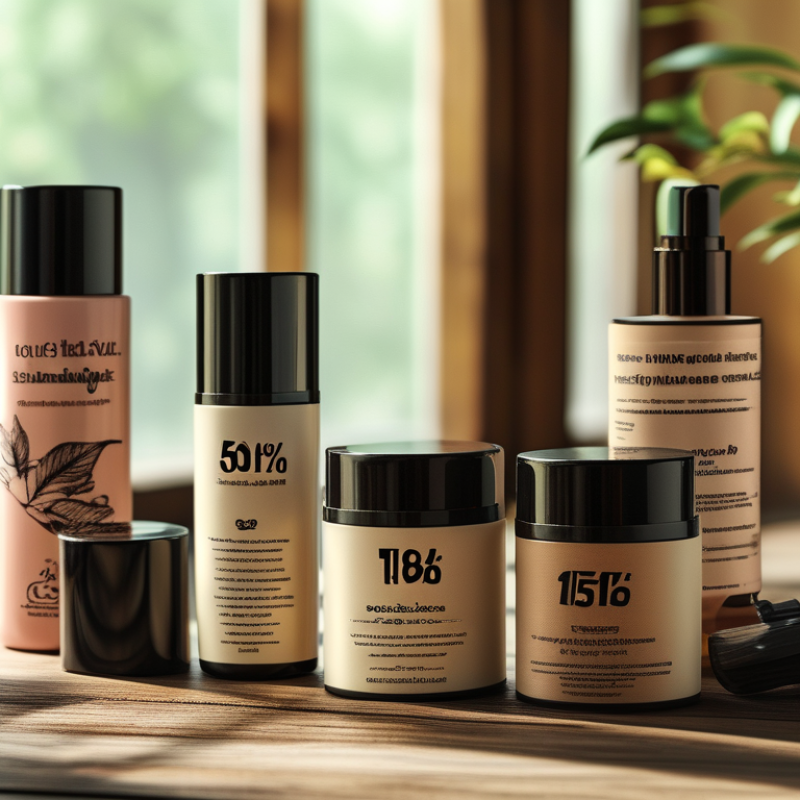
Choosing the right cosmetic packaging involves understanding your brand identity and your target audience. Your packaging should reflect the values and aesthetics of your brand. Consider what emotions you want your customers to feel when they see your product. Is it luxury? Fun? Eco-friendliness? Aligning your packaging with these elements will help build a stronger connection with your audience.
Understanding your target audience is equally crucial. Conduct research to determine their preferences and lifestyles. For instance, millennials may prefer minimalistic designs, while Gen Z might gravitate towards vibrant colors and sustainability. Packaging shapes often convey specific messages too; for example, a sleek bottle may suggest sophistication, while playful shapes can evoke joy. Think about how your audience interacts with products daily.
Engage your audience through thoughtful choices. A compelling design can boost brand loyalty. Use recycled materials to resonate with eco-conscious consumers. This not only adds value but also encourages responsible purchasing. Balancing aesthetic appeal and function can be challenging but rewarding. Don’t be afraid to seek feedback on your packaging design. This iterative process can reveal insights that enhance your brand image.
Assessing Different Types of Cosmetic Packaging Materials
When selecting cosmetic packaging materials, brands should consider various factors. Popular options include glass, plastic, and cardboard. Each material has distinct benefits and drawbacks. For instance, glass offers an upscale look but can be heavier and more fragile. Data suggests that 70% of consumers perceive products in glass containers as higher quality. This perception can enhance brand image significantly.
Plastic is another prevalent choice. It is lightweight and versatile, making it easier to transport. However, sustainability concerns are growing. A report showed that 62% of consumers prefer brands that use eco-friendly packaging. Cardboard is renewable and recyclable, appealing to environmentally conscious buyers. Despite its lower durability compared to glass or plastic, its printability offers vibrant branding opportunities.
Brands must reflect on the message their packaging conveys. Choices may align with brand values or target demographics. While premium packaging may attract certain buyers, it can also alienate cost-sensitive ones. In contrast, opting for minimalist designs can communicate authenticity but may lead to a perception of inferior quality. Understanding the balance between aesthetics and functionality is vital in creating impactful cosmetic packaging.
How to Choose the Best Cosmetic Packaging for Your Brand? - Assessing Different Types of Cosmetic Packaging Materials
| Packaging Type |
Material |
Sustainability |
Cost |
Weight |
| Pump Bottles |
Plastic (PET) |
Moderate |
$$ |
Lightweight |
| Glass Jars |
Glass |
High |
$$$ |
Medium |
| Tubes |
Plastic (LLDPE) |
Moderate |
$ |
Lightweight |
| Airless Bottles |
Plastic (PP) |
Moderate |
$$ |
Lightweight |
| Cans |
Aluminum |
High |
$$$ |
Lightweight |
Evaluating Functional and Aesthetic Aspects of Packaging
When selecting cosmetic packaging, both functional and aesthetic aspects play a crucial role. A 2021 study indicated that 72% of consumers judge a product by its packaging. This points to the necessity of creating a visual identity that resonates with your target market. Colors, shapes, and materials can evoke emotions and influence purchase decisions. For instance, pastel colors are often associated with a calming experience for skincare products, while bold, vibrant tones are related to energetic and adventurous makeup lines.
Functionality should not be overlooked. Packaging must protect the product while ensuring an easy user experience. A report from Smithers Pira revealed that over 50% of consumers expect opening and resealing features in cosmetic packaging. Easy-to-use dispensers and tamper-proof seals enhance trust and convenience. However, many brands still face challenges in balancing innovative design with sustainability. Plastic waste remains a significant concern. Brands need to consider eco-friendly alternatives that align with their values while also being practical.
As you weigh these factors, reflect on your brand identity. Packaging should be an extension of your brand message. Yet, it’s easy to overlook the practical needs of customers amid the focus on aesthetics. Testing various prototypes can help refine both looks and functionality. Striving for perfection in cosmetic packaging is a balance of art and practical application.
Considering Sustainability and Environmental Impact in Choices
Choosing cosmetic packaging involves serious consideration of sustainability. Many brands overlook the environmental impact of materials used. Opting for biodegradable or recyclable options can significantly reduce waste. These choices appeal to eco-conscious consumers. They also reflect a brand’s commitment to preserving the planet.
When assessing packaging options, consider the full lifecycle. Materials like glass, metal, and certain bioplastics are viable alternatives. However, challenges remain. Some biodegradable materials may not decompose effectively in landfills. Brands must research the disposal methods of their chosen packaging. Moreover, striking a balance between aesthetics and functionality is not always easy.
Transparency in sourcing and production is crucial for brand trust. Engaging with suppliers who prioritize sustainability can foster responsible practices. Yet, delivering on this promise requires effort. Brands must continually evaluate their packaging choices. Adapting to new information and technologies is essential for true sustainability.
Budget and Cost Analysis for Cosmetic Packaging Options
Choosing the right cosmetic packaging involves careful cost analysis. Many brands overlook how packaging influences overall expenses. The materials, design, and production processes can vary significantly in price. For instance, glass containers typically cost more than plastic ones but offer a premium feel. Weighing these options can lead to more informed decisions.
Additionally, shipping costs play a crucial role. Light packaging reduces shipping fees, while heavier materials increase them. Consider the environmental impact too. Sustainable packaging may have a higher initial cost, but it can foster brand loyalty. Customers are increasingly valuing eco-friendly choices.
Moreover, not all designs resonate equally with target audiences. Spending a fortune on aesthetics may not yield the expected return. Testing different options can be beneficial. Gather feedback from potential customers to refine your choices. Brands must balance budget constraints with quality and appeal. A reflective approach is essential to avoid costly missteps in packaging decisions.