2026 How to Choose the Best Cosmetic Bottles for Your Brand?
In today's competitive beauty industry, selecting the right cosmetic bottles is crucial for brand identity. According to a report by Grand View Research, the global cosmetic packaging market is expected to reach $30.2 billion by 2025. This growth highlights the importance of packaging choices that resonate with consumers.
Cosmetic bottles not only protect products but also communicate a brand's values. The right materials, shapes, and designs can attract attention and drive sales. However, brands often overlook the impact of sustainable packaging options. A recent survey indicated that 72% of consumers prefer brands that engage in eco-friendly practices. This statistic reflects a growing demand for brands to rethink their packaging strategies.
Choosing cosmetic bottles involves balancing aesthetics and functionality. While glass offers a premium feel, plastic is often more practical and lightweight. Brands must also consider the user experience. Features like pumps or droppers can enhance convenience, but they can also complicate production. Reflecting on these factors ensures that the selected packaging aligns with brand goals and consumer expectations.
How to Identify Your Brand’s Unique Requirements for Cosmetic Bottles
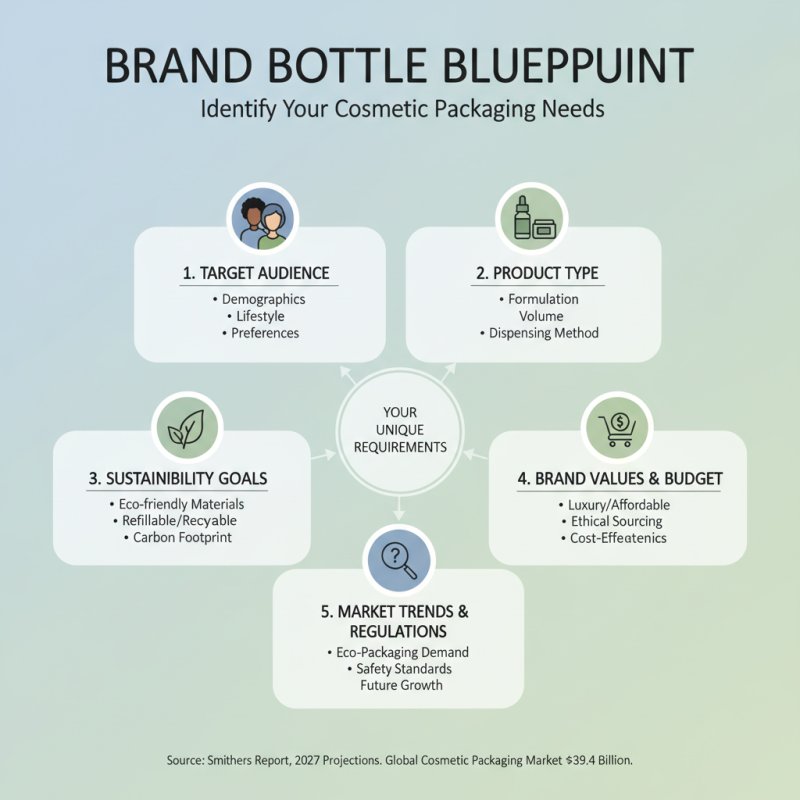
Choosing the right cosmetic bottles for your brand involves understanding your unique requirements. This includes considering factors like target market, product type, and even sustainability goals. According to a recent report by Smithers, the global market for cosmetic packaging is projected to reach $39.4 billion by 2027, with eco-friendly designs becoming a priority. Brands must assess their values and align them with consumer demand.
Consider the materials of your packaging. Glass, plastic, and aluminum each have distinct properties. About 60% of consumers prefer sustainable materials. This suggests that your brand might benefit from eco-conscious designs. However, be cautious; not all sustainable options suit every product type. Testing is essential.
The shape and functionality of bottles also matter. A unique design can capture attention, but usability should come first. Think about how your customers will interact with the product. Frustrating designs might lead to negative experiences. Research shows that 30% of consumers discard products due to inadequate packaging. Ultimately, understanding your brand’s necessities goes beyond selection; it requires ongoing reflection on both aesthetics and user experience.
The Role of Material Selection: Glass, Plastic, and Eco-Friendly Options
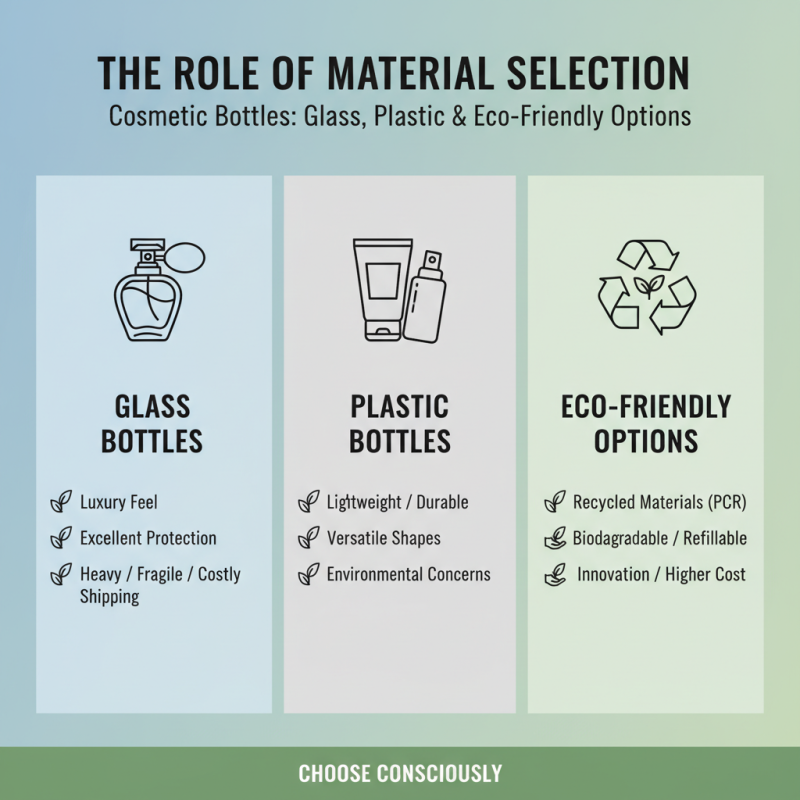
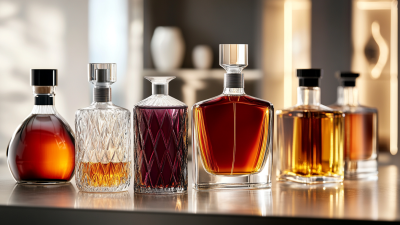
When choosing cosmetic bottles, material plays a crucial role. Glass, plastic, and eco-friendly options each bring unique benefits and challenges. Glass bottles often convey luxury. They protect the contents well but can be heavy and fragile. Brands must consider shipping costs and potential breakage.
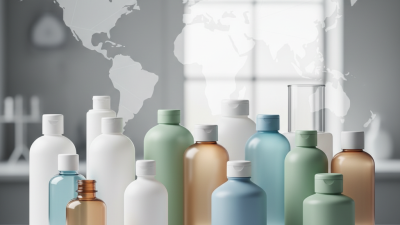
Plastic bottles are lightweight and durable, making them a practical choice for many brands. However, not all plastics are created equal. Cheap plastic may leach chemicals into products. This could harm consumer trust. Brands must opt for high-quality, recyclable materials to ensure safety and sustainability.
Eco-friendly options, like biodegradable plastics or recycled materials, are gaining popularity. They appeal to conscious consumers. But these materials can be more expensive and may not provide the same shelf life as glass or conventional plastic. Brands need to weigh the cost against the environmental impact. Understanding these nuances is vital for creating a solid brand identity.
Understanding Size and Capacity: Determining the Right Volume for Your Products
When choosing cosmetic bottles for your brand, understanding size and capacity is crucial. The right volume directly impacts user experience. Customers often prefer containers that align with their needs. Consider the type of product. Creams, serums, and lotions require different sizes.
A popular mistake is assuming customers will adapt. They may feel frustrated with unexpectedly small bottles. Larger volumes could lead to wasted product, especially for trial sizes. This balance is essential.
Tips: Always test different sizes before finalizing. Run focus groups for feedback. Analyze competitors’ offerings to understand market standards. Strive for a unique yet practical size that resonates. Customization can set your brand apart.
Design and Functionality: Enhancing User Experience and Brand Identity
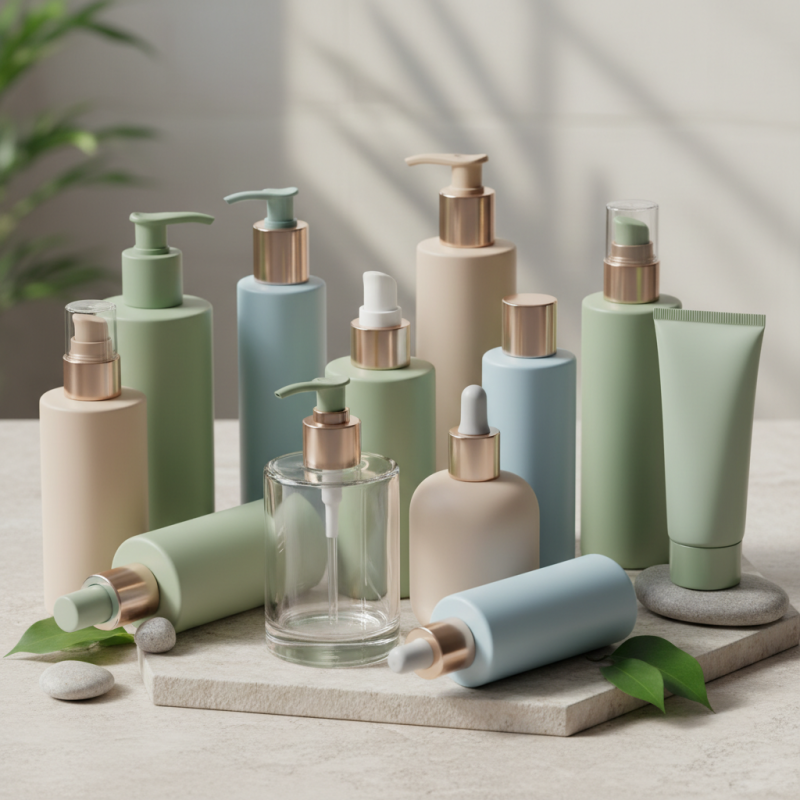
When choosing cosmetic bottles for your brand, design and functionality play crucial roles. A well-designed bottle not only attracts eyes but also enhances user experience. Think about shapes that fit comfortably in hand. Consider materials like glass, plastic, or eco-friendly options that resonate with your brand. These choices affect how users perceive your products.
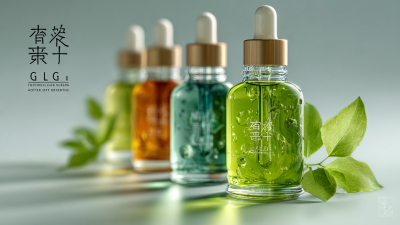
Functionality is equally important. Features like pumps, droppers, or spray tops can elevate usability. They make for easier application and reduce waste. However, it’s essential to balance design with practicality. A beautiful bottle might be hard to use. Such considerations can leave potential customers frustrated.
Additionally, colors and labels should reflect your brand identity. Bold colors can convey excitement, while soft hues suggest tranquility. In the pursuit of perfection, be aware of trends. They can sometimes overshadow brand authenticity. Regular feedback loops with users can help refine your choices. Focus on creating a memorable experience, not just a pretty package.
Market Trends and Consumer Preferences in Cosmetics Packaging Choices
The cosmetics industry is increasingly influenced by market trends and consumer preferences. Sustainable packaging has become a priority. Eco-friendly materials attract environmentally conscious consumers. This shift is vital as more brands seek to reduce their ecological footprints.
Consumers also prefer unique design features. Functionality and aesthetics play crucial roles in packaging choices. Airless bottles, for example, maintain product integrity and enhance user experience. Brands must consider convenience alongside design to meet diverse consumer needs. Understanding what resonates with target audiences will be key.
Finally, personalization is emerging as a significant trend. Packaging that allows for individual expression can strengthen brand loyalty. However, brands must balance creativity with practicality. Overly complex designs may confuse customers. Simplicity can often enhance the unboxing experience. The journey to finding the right packaging requires careful consideration and a willingness to adapt.
2026 Cosmetic Bottles Preferences Among Consumers