10 Best Glass Bottles With Caps for Global Buyers?

Selecting the right Glass Bottles With Caps requires more than comparing photographs and prices. Global buyers need packaging that performs reliably during filling, transport, storage, and daily use. This guide examines ten practical choices for beverages, sauces, cosmetics, samples, and other suitable products. Each option is considered through details that affect real purchasing decisions. These include glass thickness, bottle shape, closure design, sealing performance, capacity, and handling comfort.

Small details matter. A cap that feels secure may still leak after rough shipping. A beautiful bottle may be difficult to label or expensive to palletize. Buyers should review supplier specifications, product samples, test reports, and food-contact documentation where relevant. They should also confirm neck size, liner material, temperature limits, minimum order quantities, and replacement-cap availability. These checks can reveal problems before a large shipment leaves the factory.

The selection also considers sustainability and long-term reliability. Glass can be reusable and widely recyclable, but weight increases freight costs and handling risks. A sturdy cap helps protect contents, yet different materials may affect recycling or product compatibility. Supplier communication matters too. Clear drawings, consistent measurements, and batch-control records often indicate stronger manufacturing discipline. Still, no ranking fits every market. A small retailer may value flexible quantities, while a beverage producer may prioritize automated filling speed. Some recommendations may need reconsideration after hands-on testing. That is why this overview offers a practical starting point, not a substitute for sampling and verification.
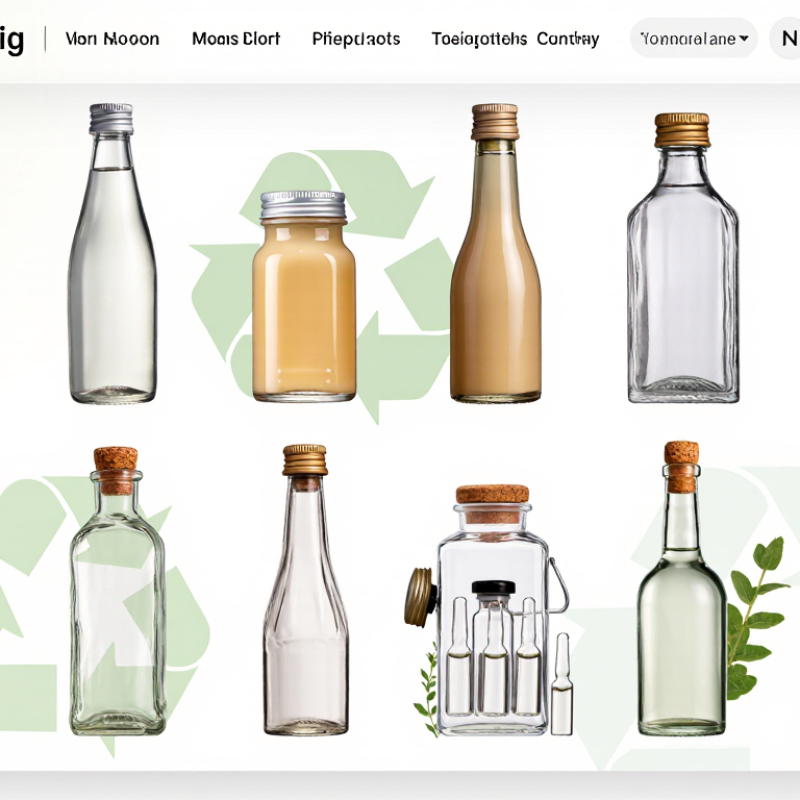
10 Best Glass Bottles With Caps for Global Buyers?

Glass Bottle Types and Cap Materials for Different Uses

Choosing glass bottles for global markets requires more than attractive shapes. The glass type must match the product, storage conditions, and transport route. Flint glass displays juices, sauces, and cosmetics clearly. Amber glass blocks more light, making it useful for oils, extracts, and light-sensitive formulas. Borosilicate glass tolerates sudden temperature changes better. Soda-lime glass remains the practical choice for many everyday containers.

Cap material affects sealing, handling, and recycling. Polypropylene caps are lightweight and resist moisture, so they suit beverages and household liquids. High-density polyethylene closures offer strong chemical resistance. Aluminum caps create a clean, premium appearance, but they may dent during rough shipping. Stainless steel handles heat and repeated use well. Cork provides a natural feel, although its seal can vary with humidity. Silicone liners improve leak resistance, especially when bottles face pressure changes.

In packaging inspections, I check the neck finish before choosing a cap. A beautiful bottle fails if the threads do not match. Tamper-evident rings help buyers notice unwanted opening. Wide-mouth bottles work better for powders, thick sauces, and easy cleaning. Narrow mouths reduce spills during pouring. No closure is perfect. I once saw a secure cap leak because the liner was too thin. This detail is easy to miss. Buyers should request compatibility tests, drop tests, and temperature checks before placing large orders. Recycled glass can support sustainability goals, but its color and strength may vary slightly between batches.

Key Features to Compare Before Choosing a Glass Bottle

When comparing glass bottles with caps, start with the intended use, filling temperature, and daily handling conditions. A bottle for cold beverages may not tolerate sudden heat changes. Check the glass type, wall thickness, and resistance to thermal shock. A heavier base can improve stability, but it also increases shipping weight and cost.

Fit matters. Compare the neck finish, cap material, thread accuracy, and sealing liner. A cap should close smoothly without excessive force. Inspect samples for leaks by storing them upside down for 24 hours. Also test repeated opening, especially if customers will reuse the bottle. A wide mouth makes cleaning easier, while a narrow neck may reduce spills. Small details matter.

Capacity should match common measurement systems, such as milliliters and fluid ounces, when products cross borders. Buyers should also examine pallet efficiency, protective dividers, and carton strength. One cracked bottle can damage nearby units. Ask suppliers for food-contact documentation, batch records, and test results from recognized laboratories. Clear traceability builds trust. I have found that attractive bottles sometimes perform poorly during transport. Appearance alone is not enough. Test it. Compare samples under realistic conditions, including refrigeration, washing, and cap replacement. No bottle is perfect, and a low-cost option may create higher losses later.

10 Best Glass Bottles With Caps for Global Buyers? - Key Features to Compare Before Choosing a Glass Bottle

No. Bottle Type Typical Capacity Glass Type Common Cap or Closure Approx. Height Opening Best Uses Key Advantages Important Buying Check
1 Clear Beverage Bottle 250–1,000 ml Soda-lime glass Screw cap or crown cap 180–310 mm Narrow neck Water, juice, soda, flavored drinks Good visibility, familiar packaging format, and efficient carton packing. Confirm pressure resistance if the product is carbonated.
2 Wide-Mouth Storage Jar 250–2,000 ml Soda-lime glass Metal screw lid with liner 80–260 mm Wide mouth Spices, grains, sauces, preserves, dry foods Easy filling, cleaning, scooping, and label application. Check liner material, thread compatibility, and leak performance.
3 Swing-Top Bottle 330–1,000 ml Soda-lime glass Wire bail, stopper, and silicone or rubber gasket 220–340 mm Medium or wide neck Table beverages, syrups, fermented drinks, infusions Reusable closure, attractive presentation, and quick opening. Inspect gasket durability and verify whether the design is rated for carbonation.
4 Amber Light-Protective Bottle 30–500 ml Amber soda-lime glass Child-resistant, dropper, or screw cap 70–220 mm Narrow neck Essential oils, extracts, light-sensitive liquids, supplements Amber glass helps reduce exposure to ultraviolet and blue light. Select the correct cap liner and confirm regulatory requirements for the market.
5 Oil and Vinegar Bottle 250–750 ml Clear or tinted soda-lime glass Pourer, flip-top cap, or screw cap 200–300 mm Narrow or controlled-pour neck Cooking oil, vinegar, dressings, liquid condiments Supports controlled dispensing and premium food presentation. Check food-contact compliance, pour rate, and seal performance.
6 Cosmetic Dropper Bottle 10–100 ml Clear, amber, or cobalt glass Pipette dropper with screw collar 55–135 mm Small neck Serums, facial oils, fragrances, laboratory samples Accurate small-volume dispensing and a clean, professional appearance. Test the bulb, pipette, gasket, and chemical compatibility with the formula.
7 Pharmaceutical Medicine Bottle 30–500 ml Type III or Type I glass Child-resistant screw cap or tamper-evident closure 75–210 mm Narrow or medium neck Liquid medicines, laboratory reagents, health products Glass offers strong barrier properties and low interaction with many formulations. Verify pharmacopoeia standards, closure torque, and tamper evidence.
8 Perfume and Fragrance Bottle 15–100 ml Clear or tinted glass Crimped spray pump or screw atomizer 70–150 mm Small neck Perfume, cologne, room fragrance, cosmetic mists Excellent product visibility and precise spray delivery. Match the neck finish to the pump and test alcohol compatibility.
9 Thermal-Resistant Food Bottle 250–1,000 ml Borosilicate glass Screw cap or silicone-sealed lid 180–300 mm Medium or wide mouth Hot beverages, cold brew, sauces, meal preparation Lower thermal expansion than ordinary soda-lime glass. Confirm the manufacturer’s temperature limits and avoid sudden temperature changes.
10 Reusable Water Bottle 350–1,000 ml Soda-lime or borosilicate glass Sports cap, loop cap, or screw cap 190–300 mm Medium or wide mouth Daily hydration, office use, travel, hospitality Reusable, odor-resistant, and suitable for repeated washing. Check protective sleeves, cap leakage, dishwasher suitability, and packed weight.

Note: Capacities and dimensions are representative ranges for commonly manufactured glass bottle formats. Exact specifications vary by mold, glass weight, neck finish, closure, and intended market.

The 10 Best Glass Bottles With Caps for Global Buyers

The 10 Best Glass Bottles With Caps for Global Buyers should balance safety, function, and shipping efficiency. In practical packaging evaluations, I check glass thickness, closure fit, neck size, and surface quality. A beautiful bottle still fails if its cap leaks during a long sea journey.

The strongest choices include the clear beverage bottle, amber medicine-style bottle, blue decorative bottle, square sauce bottle, wide-mouth storage bottle, slim oil bottle, swing-top bottle, screw-cap apothecary bottle, small sample bottle, and spray-cap bottle.

Clear bottles suit juices and infused drinks. Amber glass protects light-sensitive contents. Square shapes use cartons efficiently, while wide mouths simplify filling and cleaning. Slim bottles save shelf space. Small bottles reduce sampling costs.

Swing-top closures feel premium, but their seals need careful inspection. Spray caps require compatibility testing. They can clog.

Reliable buyers should request closure samples, leak tests, drop tests, and measurements before placing a large order. Ask for glass composition details, cap material, gasket type, and production tolerances.

Food-contact documentation is also important for applicable products. Recycled glass can reduce material impact, although its color may vary slightly between batches. That detail is easy to overlook.

I would not choose the heaviest bottle automatically. Extra weight raises freight costs and may not improve protection enough. My own preference is a moderate-weight bottle with a dependable cap and a carton insert. Packaging teams should test the actual filled product, not an empty sample. Empty bottles behave differently.

Safety, Sealing, and International Compliance Considerations

Choosing glass bottles with caps for international distribution requires more than checking volume and appearance. Glass should resist thermal shock, surface cracks, and pressure changes during transport. A bottle that feels thick may still fail near the neck. Inspect the rim, threads, and base under bright light. Small chips can weaken sealing performance and create handling risks.

The cap must match the bottle precisely. Food-contact applications may require material declarations, migration testing, and traceability records. Liner choice also matters. Some liners reduce odor transfer, while others tolerate acidic liquids better.

A tight cap is not automatically a safe cap. Over-tightening can damage threads or distort the liner. In practical sourcing, torque testing and leak testing provide stronger evidence than visual inspection.

International buyers should verify the destination market’s packaging rules before placing large orders. Requirements may cover glass composition, closure materials, labeling, recyclability, and certificates of analysis. Ask suppliers for batch records and test reports, not broad promises. Protect bottles with dividers, cushioning, and moisture-resistant cartons. Temperature changes during sea freight deserve attention.

I have seen attractive samples fail after rough handling. That experience makes small pilot shipments valuable. Still, testing is never perfect. Real warehouses are less controlled than laboratories. A reliable supplier should discuss those limitations openly and help review corrective actions. Clear specifications, documented inspections, and honest communication reduce avoidable disputes across borders.

How to Select the Right Bottle for Your Market and Product

Choosing a glass bottle for a global market starts with the product, not the appearance. Thick glass may suit oils, sauces, or cosmetics, while lightweight glass can reduce shipping costs. However, lighter walls may break more easily during long-distance transport. That trade-off deserves testing.

Match the cap to the product’s texture, use, and expected opening frequency. A tight liner can help protect liquids from leaks and outside air. For thick products, a wider opening may improve pouring and cleaning. Small caps look neat, but they can frustrate users with wet or oily hands. Test the bottle with real samples, not only water.

Market habits also matter. Some buyers prefer a narrow neck for controlled pouring. Others want a wide mouth for easy refilling. Check whether the bottle fits local shelves, delivery cartons, and common storage spaces. Ask suppliers for glass specifications, closure materials, tolerance data, and transport test results. Request samples from different production batches when possible. One sample can hide variation.

A perfect bottle does not exist. I have seen attractive designs fail because their caps loosened after repeated use. I have also seen strong bottles create unnecessary freight costs. Pilot orders reveal these weaknesses early. Keep records of leakage, breakage, filling speed, and customer handling. Regional climate should be considered too. Heat, humidity, and temperature changes may affect closures and labels. A practical choice balances safety, usability, cost, and local expectations.