10 Best Glass Dropper Bottles for Global Buyers

Choosing the right Glass Dropper bottle involves more than comparing photos and unit prices. Global buyers must assess protection, usability, documentation, and supply reliability before placing an order. A bottle that looks elegant may still leak during transport or deliver inconsistent drops. The real test begins with practical details.

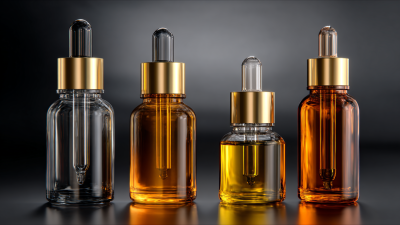
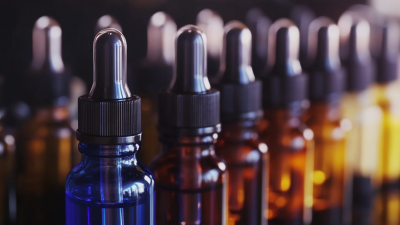
This guide reviews ten strong options for international purchasing. We examine glass type, capacity, color, neck finish, pipette design, closure quality, and labeling space. Amber glass can help protect light-sensitive formulas, while clear glass offers better product visibility. Cobalt blue may provide a distinctive appearance, but appearance should never replace material evidence. Small details matter.

A secure fit matters.

Our evaluation approach considers manufacturer specifications, packaging information, and common buyer concerns. We also look at compatibility with oils, serums, botanical extracts, and other permitted cosmetic or wellness formulations. Product suitability must always be confirmed through supplier testing and technical documentation. Different markets may require different labeling, recycling, and packaging disclosures, so buyers should verify local requirements independently.

Reliable suppliers should explain glass composition, dropper materials, carton protection, minimum order quantities, and quality-control procedures. A well-packed shipment should arrive with clean bottles, intact pipettes, and consistent closures. That is the expectation. Still, no packaging option is perfect. Batch variation, shipping damage, or unclear specifications can create avoidable problems. This guide highlights those risks without overstating performance. Use it as a practical starting point, then request samples and test them under real filling, storage, and transport conditions.

10 Best Glass Dropper Bottles for Global Buyers

What Are Glass Dropper Bottles and Why Do Global Buyers Choose Them?

Glass dropper bottles combine a glass container with a calibrated pipette and rubber or polymer bulb. They help users dispense oils, serums, extracts, and liquid supplements in controlled amounts. Amber glass also reduces light exposure, which can protect sensitive formulas. This matters during long international shipping. Heat, vibration, and storage delays can change product quality.

Global buyers often choose glass because it is chemically stable and gives packaging a clean, premium feel. The European Container Glass Federation reported an 80.8% glass packaging collection rate in Europe in 2022. The Glass Packaging Institute also states that glass is endlessly recyclable without losing quality. These figures support circular packaging decisions. However, glass is heavier than plastic and can break. That increases freight costs and demands stronger inserts. It is not a perfect solution. I have seen a beautiful bottle fail because the pipette was poorly fitted.

Tips: Check the neck size, dropper accuracy, glass color, closure liner, and leakage test results. Ask suppliers for food-contact or cosmetic compliance documents when applicable. ISO 15378 is also useful for pharmaceutical packaging quality systems. Select packaging based on the formula, transport route, and filling process, not appearance alone. A small compatibility test can prevent large losses. Record the test results, even when they seem obvious.

10 Best Glass Dropper Bottles for Global Buyers

What Are Glass Dropper Bottles and Why Do Global Buyers Choose Them?

Rank Bottle Profile Typical Capacity Glass Type & Light Protection Approx. Dimensions Dropper & Dispensing Performance Common Closure Best Applications Why Global Buyers Choose It
01 5 mL Travel Dropper 5 mL Amber or clear soda-lime glass; amber provides strong protection from visible and ultraviolet light. Approximately 22–28 mm diameter × 55–70 mm high Glass pipette with rubber or elastomer bulb; typically about 0.03–0.06 mL per drop for water-like liquids. Small screw neck, commonly 13–18 mm Sample kits, travel cosmetics, essential-oil blends, laboratory specimens Low product weight, compact shipping size, and convenient single-use or trial quantities.
02 10 mL Standard Round 10 mL Amber, cobalt, green, or clear glass; colored glass reduces light exposure compared with clear glass. Approximately 25–30 mm diameter × 60–75 mm high Standard pipette dropper; approximately 15–30 drops per mL, depending on liquid viscosity and tip design. 18 mm or 20 mm screw closure Serums, facial oils, tinctures, flavor concentrates, and small-batch formulations A widely used capacity that balances portability, shelf presence, and manageable freight volume.
03 15 mL Tall Dropper 15 mL Amber or cobalt-colored glass for light-sensitive oils and botanical extracts. Approximately 28–32 mm diameter × 70–85 mm high Pipette with controlled manual dosing; drop size varies with orifice diameter, liquid density, and user technique. 18–20 mm screw closure with tamper-evident options Personal care oils, wellness liquids, herbal extracts, and concentrated ingredients Provides more usable volume while remaining easy to handle and suitable for international retail packaging.
04 30 mL Boston Round 30 mL Thick-walled soda-lime glass; amber is preferred where oxidation or light sensitivity is a concern. Approximately 32–38 mm diameter × 85–105 mm high Full-size pipette suitable for repeated dispensing; not a substitute for calibrated laboratory volumetric equipment. 20 mm screw neck, often with a liner or wiper Cosmetic serums, aromatherapy oils, veterinary liquids, and laboratory reagents A durable, familiar format with good label area and efficient use of warehouse shelf space.
05 30 mL Square-Shoulder 30 mL Clear or colored glass with a squarer profile and broad front panel for labeling. Approximately 34–40 mm wide × 80–100 mm high Pipette dropper for low-to-medium viscosity products; dosing consistency depends on the complete closure assembly. 20 mm screw closure, with child-resistant versions available for some markets Premium skincare, niche fragrances, botanical products, and specialty liquids Stable on shelves, visually distinctive, and suitable for multilingual labels used in export markets.
06 50 mL Wide-Neck Dropper 50 mL Amber glass is commonly selected for light-sensitive formulations; clear glass supports product visibility. Approximately 36–44 mm diameter × 95–120 mm high Long pipette enables access to the bottom of the bottle; output is affected by pipette length and orifice size. 20–24 mm screw closure Professional-use serums, massage oils, laboratory solutions, and refill-oriented products Reduces refill frequency while retaining the clean dosing experience associated with a dropper.
07 60 mL High-Capacity Round 60 mL Amber or green glass for products requiring reduced light exposure and a traditional pharmaceutical appearance. Approximately 40–46 mm diameter × 105–125 mm high Large-bulb pipette for repeated dosing; drop count should be validated with the actual liquid before sale. 24 mm screw closure or equivalent neck finish Household concentrates, professional cosmetics, nutraceutical liquids, and extended-use formulas Good for users who value a longer service interval and a substantial, reusable container.
08 100 mL Laboratory Dropper 100 mL Thick soda-lime or borosilicate glass, depending on chemical and thermal requirements; amber is available for light-sensitive contents. Approximately 45–55 mm diameter × 125–155 mm high Large pipette for controlled transfer, but measurement accuracy requires a calibrated device rather than visual drop counting. 24–28 mm screw closure with chemical-resistant liner options Research laboratories, reference solutions, bulk botanical extracts, and workshop formulations Offers high usable volume and glass compatibility for many non-pressurized liquid products.
09 UV-Protective Amber Dropper 10–30 mL Dark amber glass designed to reduce ultraviolet and visible-light transmission; exact protection varies by glass composition and wall thickness. Approximately 28–40 mm diameter × 65–105 mm high Standard pipette dropper; the dropper assembly should also be checked for compatibility and light exposure. 18–20 mm screw closure Oxidation-sensitive oils, light-sensitive extracts, fragrances, and active cosmetic ingredients Helps protect sensitive contents during storage and transport without relying on an opaque outer package.
10 Child-Resistant Dropper Format 10–30 mL Clear or amber glass; the protective performance depends on the bottle color, wall thickness, and packaging configuration. Approximately 28–40 mm diameter × 65–105 mm high Pipette designed for controlled dispensing; child-resistant performance applies to the complete closure system, not the glass bottle alone. Child-resistant screw closure where required by the destination market Household liquids, wellness products, concentrated formulas, and regulated consumer products Supports safer packaging strategies and allows buyers to align the closure with applicable local regulations.
Buyer Note: Glass dropper bottles combine a chemically resistant container with a pipette-based dispensing system. The specifications above are typical market ranges rather than guarantees for a specific product. Actual dimensions, drop volume, chemical compatibility, closure fit, leakage resistance, and regulatory suitability should be confirmed using production samples and destination-market testing before bulk purchasing.

Key Features to Compare in Glass Dropper Bottle Designs

Glass Dropper Bottle Designs: Key Features for Global Buyers

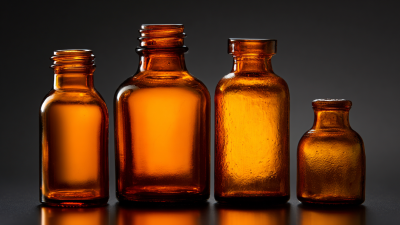
When comparing glass dropper bottles, start with glass quality, not appearance. Borosilicate or pharmaceutical-grade glass usually handles temperature changes better. Amber glass helps protect light-sensitive formulas during storage and transport. Clear glass shows the product clearly, but offers less UV protection. Ask for light-transmission data instead of trusting color alone. Check the bottle wall thickness, shoulder shape, and base stability. A thin, attractive bottle may crack under rough shipping conditions.

The dropper assembly needs equal attention. Compare the bulb material, pipette length, seal quality, and delivered volume. A smooth bulb should fill without excessive squeezing. The pipette should reach enough product near the bottle’s base. Test repeated dispensing, not just one drop.

Test it yourself.

Small dosage differences can affect customer experience. During practical evaluations, I have found that some droppers look precise but release unevenly after several uses.

No design is perfect. That detail deserves honest review.

Closure compatibility also matters for global purchasing. Match the neck size with the cap and inspect the liner for chemical resistance. Ask suppliers for leakage tests, dimensional drawings, batch records, and packaging specifications. Inner dividers and protective sleeves can reduce breakage during long-distance delivery. Evaluate minimum order quantities, sample approval procedures, and replacement policies. Certifications may vary by destination, so request current documentation before placing a large order. A reliable supplier should explain limitations clearly, even when the answer is inconvenient.

The 10 Best Glass Dropper Bottles for International Buyers

The 10 Best Glass Dropper Bottles for International Buyers should be judged by more than appearance. The right bottle protects liquids, travels safely, and supports consistent daily use. Clear glass suits light-stable products and makes fill levels easy to inspect. Amber glass offers better protection for light-sensitive formulas. Cobalt blue glass provides another practical option, although its color can affect visual inspection. Frosted glass looks refined, but scratches may appear during shipping.

A useful selection includes bottles with rubber-bulb droppers, silicone bulbs, graduated pipettes, narrow tips, wide-neck openings, child-resistant closures, leak-resistant seals, and tamper-evident rings. Each design serves a different handling need. A 10 ml bottle fits samples and travel kits. A 30 ml bottle suits regular household or cosmetic use. Larger sizes reduce refill frequency but may increase breakage risk. Small details matter.

From my packaging experience, closure compatibility deserves careful testing. A good-looking bottle can still leak after vibration, temperature changes, or repeated opening. Request samples before placing a large international order. Check glass thickness, pipette accuracy, neck size, cap torque, and carton cushioning. Also confirm food-contact or cosmetic documentation when relevant. Export paperwork and destination rules vary, so buyers should verify current requirements locally. I once overlooked carton separators; several bottles arrived intact, but two had chipped rims. That mistake changed my inspection checklist. Perfect packaging is difficult. Careful testing is realistic.

10 Best Glass Dropper Bottles for International Buyers

This comparison covers common, non-branded glass dropper bottle formats used for essential oils, serums, tinctures, laboratory liquids, and other low- to medium-viscosity products. Amber glass is widely selected for light-sensitive contents, while clear glass is useful when product visibility is important.

The chart compares nominal fill capacity across ten widely available bottle configurations. Smaller sizes are practical for samples, travel, and concentrated formulas; 30–60 mL formats are suitable for daily-use skincare and wellness products; larger formats are better for professional, laboratory, or refill applications. Actual compatibility depends on neck size, pipette length, closure material, and liquid viscosity.

How to Select the Right Bottle for Product and Market Needs

Selecting the right glass dropper bottle starts with the product, not its appearance. Thin oils may flow easily through a narrow pipette. Thick serums often need a wider opening. Check the dropper’s output with the actual formula, because stated volume can differ during use.

Light-sensitive products need amber or opaque glass. Clear glass suits stable formulas and improves shelf visibility. Consider the closure, too. A secure screw cap helps prevent leakage during international transport. Silicone bulbs should recover quickly after squeezing. Small details matter.

Market conditions also shape the choice. Hot climates can increase pressure inside sealed packages. Cold routes may make some formulas thicker. Test filled bottles through vibration, temperature changes, and repeated opening. I once found a reliable-looking cap that loosened after several transport simulations. Appearance was not enough.

Bottle size affects shipping cost, storage space, and customer handling. A compact 10 ml bottle may suit concentrated products, while a 30 ml format supports regular use. Leave enough label space for instructions, ingredients, batch details, and local language needs. Confirm current packaging requirements with qualified regional specialists.

No option is perfect. Glass adds weight and can break without strong secondary packaging. Use molded inserts, leak-resistant seals, and clear carton markings. Test a small production batch before committing to large quantities. Results can reveal problems that supplier specifications miss.

Quality, Compliance, Packaging, and Shipping Considerations

10 Best Glass Dropper Bottles for Global Buyers

The best glass dropper bottle depends on the product, market, and filling process. Clear glass shows liquid color, while amber glass helps reduce light exposure. Borosilicate glass offers strong chemical resistance for many cosmetic and laboratory formulations. However, glass selection alone does not confirm compatibility. Test the liquid with the bottle, dropper bulb, and inner seal for at least two weeks.

Quality checks should include wall thickness, neck finish, dropper fit, leakage, and cap torque. Ask suppliers for inspection records, material declarations, and batch traceability. For regulated markets, verify packaging requirements with a qualified local specialist. A general certificate may not cover your exact product or destination. That detail is often missed.

Tips: Request pre-production samples. Fill them with the actual formula. Store samples upright and sideways. Check for odor, discoloration, cracks, and slow leakage. Test labels on cold and warm surfaces. Use molded pulp or fitted dividers during shipping, not loose paper. Export cartons should resist compression and moisture. Confirm carton dimensions before booking freight; small measurement errors can increase shipping costs. Prepare accurate invoices, packing lists, and product descriptions. Customs classification should be checked with a licensed broker. I have seen teams focus on bottle appearance and overlook dropper performance. That is a costly lesson. A beautiful package can still fail during transport.