
Why Are A4 Labels Essential for Global Shipping?
In global shipping, a clear A4 Label can determine whether a parcel moves smoothly or pauses at a busy hub. Its 210 x 297 millimetre format offers enough space for addresses, barcodes, tracking numbers, and handling instructions. That space matters when a package passes through several countries and automated scanning points. Small print, weak contrast, or folded corners can create avoidable delays.
From practical warehouse experience, A4 labels are easy to produce with common laser or thermal printers. Staff can print them beside packing benches, inspect the barcode, and apply them to a flat surface. A strong adhesive helps the label remain readable during loading, transport, and weather changes. Reliable shipping platforms also connect label data with tracking systems, reducing manual entry and transcription mistakes. However, equipment settings still matter. Incorrect scaling may shrink critical information.
A professional shipping process does not treat one format as universal. Carrier instructions, destination requirements, and package dimensions should be checked before printing. Some shipments need additional documents or special label placement. An A4 Label may be practical, but it is not flawless. A wrinkled corner can matter. I have seen apparently correct labels fail because tape covered the barcode or the address was placed over a seam. Careful verification remains essential. When businesses combine accurate data, suitable materials, and a final visual inspection, A4 labels support traceability and clearer international handling. This simple sheet carries more responsibility than it appears.
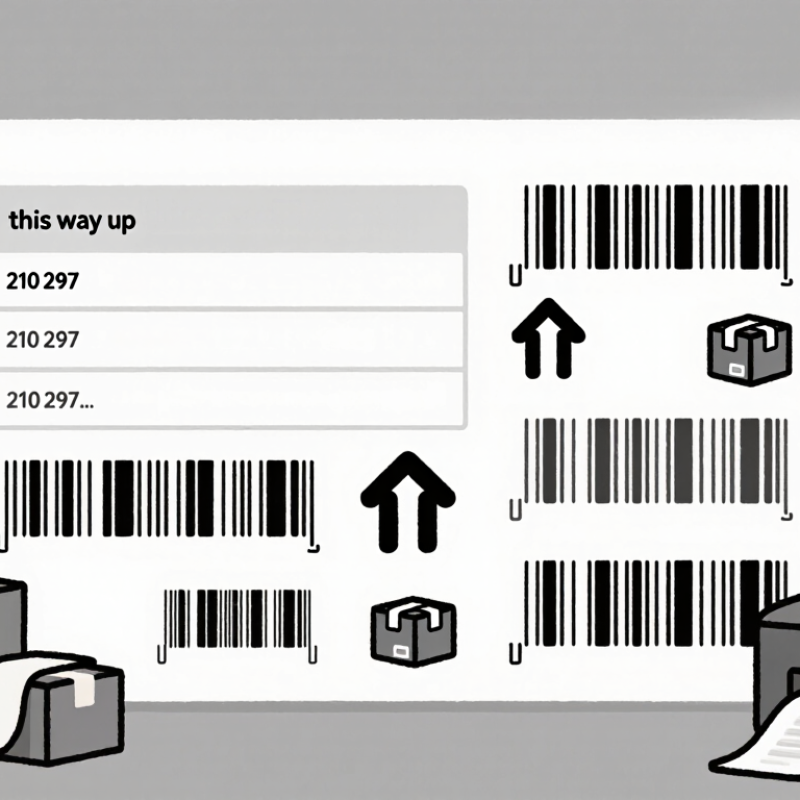
A4’s 210 × 297 mm Standard and Its Global ISO 216 Compatibility
A4 labels are essential for global shipping because their dimensions are internationally recognizable. Each sheet measures 210 × 297 millimetres, following the ISO 216 standard. This format is used across offices, warehouses, customs desks, and transport networks. That consistency matters.
A practical packing check shows why. An A4 label fits common document pouches without folding the address or barcode. Its surface also leaves space for sender details, recipient information, handling notes, and tracking data. In a busy dispatch area, workers can identify the main information quickly. A clear layout reduces scanning mistakes and supports reliable handovers between shipping teams.
The format also works well with standard printers and document folders. Small details matter. A label printed at the correct scale can preserve sharp barcodes and readable postal codes. I have seen poorly resized labels create avoidable delays, even when the parcel itself was packed correctly. A4 does not solve every shipping problem. Not always. Oversized cartons may need larger labels, while small parcels may require compact formats. Still, ISO 216 compatibility gives companies a dependable starting point across borders. It supports consistent preparation without forcing every country to adopt a different paper size. That practical familiarity strengthens document control and makes shipment information easier to review. The standard is simple, but its value depends on accurate printing, careful placement, and regular quality checks.
How A4 Labels Fit GS1-128 Barcodes and Required Quiet Zones
Why Are A4 Labels Essential for Global Shipping?
A4 labels provide a practical surface for shipping data, handling marks, and GS1-128 barcodes. Their familiar size supports consistent placement across cartons, documents, and warehouse workflows. However, A4 is not a magic format. The label still needs enough space for a readable barcode and clear human-readable text.
GS1-128 symbols require quiet zones on both sides of the bars. These blank areas protect the scanner from nearby text, borders, or graphics. Their size depends on the barcode’s X-dimension and the applicable GS1 specification. Do not fill them with logos or instructions. Keep it plain. A crowded label may look efficient, but it can slow receiving and create avoidable scanning errors.
In practical testing, the barcode should sit on a flat, visible panel with strong contrast. Avoid folds, seams, glossy glare, and damaged corners. The printed symbol must preserve its bar width, height, and quiet zones after scaling. A4 sheets also demand careful printer calibration, especially when margins shift between devices. Small errors travel. Operators should scan samples from different batches, viewing angles, and lighting conditions. A failed test should trigger a review of artwork, printer settings, and label placement. It is tempting to trust a clean digital file, yet the carton—not the screen—decides whether the barcode works.
A4 Shipping Sheets Support UPU S10’s 13-Character Parcel Identifier
Why Are A4 Labels Essential for Global Shipping?
A4 shipping sheets provide a clear, practical surface for international parcel information. Their size supports the UPU S10’s 13-character parcel identifier without forcing text into tiny spaces. This identifier normally includes a service indicator, an eight-digit serial number, a check digit, and a two-letter country code. Every section has a purpose.
The code should appear in both human-readable text and a scannable barcode. Warehouse staff can match the printed characters when a scanner fails. Customs teams can also locate key details quickly, including the destination, sender information, and package contents. In daily shipping operations, clean A4 layouts reduce handling delays and misplaced documents.
Small errors still create large problems. A faint barcode, a folded corner, or one incorrect digit can interrupt tracking. A4 paper is not a universal legal requirement, either. Some carriers accept other formats, but consistent sizing makes preparation easier across different facilities. I have found that simple spacing often matters more than decorative design. Still, paper can jam, ink can smear, and staff can overlook crowded fields. Regular checks remain necessary, especially when many parcels leave at once.
A4 Layouts Accommodate IATA’s 100 × 100 mm Dangerous-Goods Labels
A4 layouts are practical for shipping documents because they can accommodate IATA’s 100 × 100 mm dangerous-goods labels. That dimension matters. An A4 sheet measures 210 × 297 mm, allowing several square label areas with controlled margins. This helps staff print, cut, and apply labels without changing their required proportions.
In packing operations, clear spacing reduces handling mistakes. A label should sit flat, remain visible, and avoid folds or seams on the package. A well-planned A4 template can place the label beside shipment details, handling instructions, or a checking area.
It also supports consistent printing across offices using ordinary printers. Small details matter. Printer scaling must stay at 100 percent. Otherwise, a 100 mm label may become slightly smaller.
A4 is not flawless. Thick adhesive sheets may feed unevenly, and some printers leave wider margins than expected. I have found that a test print and a ruler catch problems early. The symbol, border, orientation, and required information still need a trained person’s review. A template cannot replace current IATA guidance or carrier procedures. Staff should also confirm that the label remains readable after application, especially under tape, cold storage, or handling friction. One overlooked corner can create confusion.
Why A4 Printing Reduces Errors Across Multicarrier Global Networks
Why Are A4 Labels Essential for Global Shipping?
A4 printing reduces errors across multicarrier global networks because it creates one familiar working surface. Its 210 × 297 millimetre format fits common printers, scanners, and document sleeves. Warehouse teams can locate key fields quickly. The barcode sits in a predictable position. So does the destination address. This matters when parcels move through several countries and transport operators.
The Pitney Bowes Parcel Shipping Index recorded 161.8 billion parcels worldwide in 2022. It forecasts global volume could reach 256.9 billion by 2028. More parcels mean more handovers, scans, and opportunities for misreading. A clear A4 label gives each checkpoint consistent information. The World Bank’s 2023 Logistics Performance Index also highlights major differences in shipment speed and reliability between economies. Standardized labels cannot solve every delay. They can reduce avoidable confusion.
I have seen labels printed correctly but placed across a package seam. The scanner struggled. Small details matter. Teams should test labels with different printers, lighting conditions, and scanners before deployment. They should also review address fields regularly, especially for multilingual destinations.
A reliable format supports better training, cleaner audits, and fewer manual corrections across complex shipping networks.
