What Are PET Bottles and What Are They Used For?
PET bottles are familiar in daily life: a clear water bottle, a shampoo container, or a lightweight jar on a store shelf. PET stands for polyethylene terephthalate, a strong, lightweight plastic commonly used for packaging. Its clarity helps shoppers see the contents, while its low weight makes bottles easy to carry. But what are PET bottles, exactly, and why do manufacturers choose them for so many products?
For a clearly illustrative perspective, consider fictional PET packaging specialist Dr. Elena Morris: “A bottle’s material matters, but so do its design, use, and end-of-life options.” This is an original sample quotation, not a verified statement from a real expert. It captures an important point: PET bottles are not all alike. Their shape, thickness, closure, and label affect how they perform and how readily they can be sorted for recycling where suitable facilities exist.
This guide explores what PET bottles are made from, how they are produced, and where they are commonly used. It also looks at practical advantages, such as light weight and impact resistance, alongside considerations that deserve care, including heat exposure and responsible disposal. A bottle can look simple. Its life cycle is less simple. Understanding the material helps consumers and businesses make more informed packaging choices, while recognizing that recycling access and outcomes vary by location.
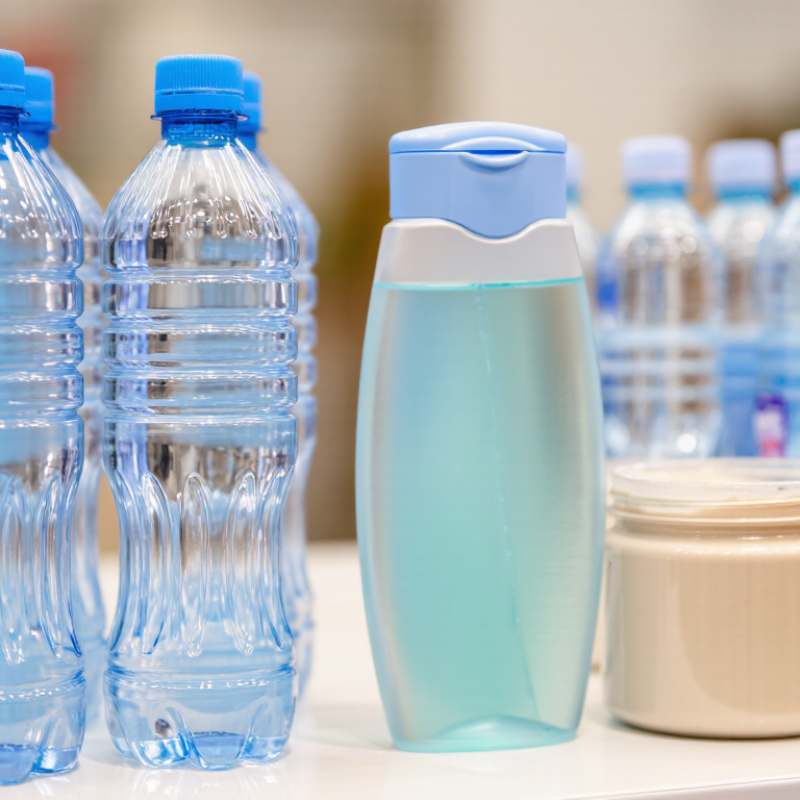
What Are PET Bottles?
What Are PET Bottles?
PET bottles are lightweight containers made from polyethylene terephthalate, a strong thermoplastic polymer. The material is commonly identified by recycling code 1. It forms clear, smooth bottles that resist shattering better than glass.
PET means polyethylene terephthalate.
Manufacturers heat small plastic preforms and stretch them inside molds. This process creates thin walls with useful strength. The result feels light in the hand but can hold water, juice, cooking oil, personal-care liquids, and some household products. PET also blocks moisture effectively and has relatively low gas permeability, although it is not a perfect barrier. Carbonated drinks need carefully designed bottles because pressure can escape gradually.
In practical packaging work, I have seen PET reduce transport weight and breakage. That matters when products travel long distances. Its clarity also helps users inspect the liquid before opening. However, clear plastic can create a misleading impression of complete safety. PET bottles should follow their intended use and storage instructions. Excessive heat, repeated wear, or visible damage can affect performance. I would not treat every PET bottle as suitable for hot filling.
Many facilities can sort and recycle PET, turning used containers into flakes or new materials. Recycling access differs widely, though. A bottle may be technically recyclable but still miss collection systems. Clean, empty packaging usually supports better sorting. The uncomfortable part is that convenience does not remove environmental responsibility. Material design, collection quality, and consumer habits all influence the final outcome.
How PET Bottles Are Manufactured
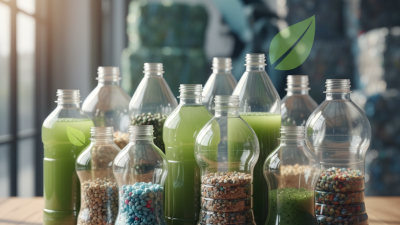
PET bottles begin as small pellets of polyethylene terephthalate, or PET. Manufacturers dry the resin to reduce moisture, which can weaken the finished plastic. The pellets are melted and injection-molded into compact pieces called preforms. Each preform already has its bottle neck and threads, while its body remains short and thick. A preform looks a little like a test tube.
Next, the preforms are warmed and placed in a blow-molding machine. A stretching rod lengthens each one, while compressed air pushes the softened plastic against a bottle-shaped mold. This stretch-and-blow process forms the walls and base. The mold also leaves practical details, such as grip-friendly curves or a reinforced bottom. It happens quickly.
Bottles are then checked for defects, including uneven walls, cloudy patches, or poorly formed openings. These flaws matter: a bottle must hold its contents without leaking or collapsing during handling. Some production lines use recycled PET, but its quality and suitability need careful control. That part deserves more thought than a simple “recycled is better” claim suggests. Material history and processing can affect clarity, strength, and consistency.
Key Properties and Common Uses of PET Bottles
PET bottles are made from polyethylene terephthalate, a clear, lightweight thermoplastic. They are tough enough to withstand routine handling, yet easy to mold into narrow-necked drink bottles or wide-mouth food containers. Their clarity lets shoppers see the contents. PET also provides a useful barrier to moisture and gases, though it does not block every gas equally well. That matters for fizzy drinks, which can lose carbonation over time. Some grades suit hot filling; ordinary bottles may deform under heat. Check the container’s intended use.
These properties make PET common in bottled water, soft drinks, cooking oils, sauces, and some personal-care products. A bottle feels light in the hand and is less likely to shatter than glass if dropped. Not a perfect fit for every product. Design choices, such as wall thickness and closure type, affect protection and handling. PET can also be recycled into new packaging or fiber, but collection and sorting determine what actually gets recovered.
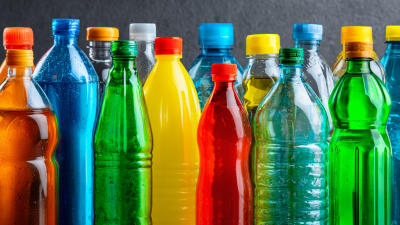
The NAPCOR 2023 PET Recycling Report estimated that 29.1% of PET bottles were recycled in the United States in 2022. That figure is a useful reality check: recyclability does not guarantee recycling. Clear, empty bottles are generally easier to sort than colored or heavily contaminated ones, but local collection rules vary. Small details matter. A label or leftover liquid can complicate sorting, and recycling systems do not perform identically everywhere.
Benefits and Limitations of PET Packaging
PET (polyethylene terephthalate) is a lightweight plastic commonly used for bottles containing water, soft drinks, cooking oils, and personal-care products. Its clear walls make contents easy to inspect, and its low weight can reduce shipping loads. PET resists many everyday impacts, so bottles are less likely to shatter than glass. It also helps limit moisture transfer, though protection from oxygen and aromas depends on the package design.
These qualities make PET practical, but it has limits. Standard PET can deform under high heat, so it is not suitable for every hot-fill or microwave use. Follow the container’s instructions. The trade-off is real. PET is recyclable in many places, yet actual recycling depends on local collection and sorting systems. Dark colors, labels, closures, and food residue can affect processing. A lightweight bottle is not automatically a low-impact choice; material production and what happens after use matter too. Packaging decisions deserve a closer look.
Tips: Check the bottle’s care instructions, empty it before recycling, and use local recycling guidance. Don’t assume every PET container belongs in the same bin.
PET Bottle Recycling and Environmental Considerations
PET Bottle Recycling and Environmental Considerations
PET bottles are lightweight containers commonly used for water, juice, and household products. Their clear plastic is often marked with recycling code 1. In many places, recycling systems accept clean PET bottles, but local rules vary. A bottle that looks recyclable may still be rejected if it contains liquid or has the wrong components.
Recycling can turn collected PET into fibers, packaging, or new containers. This helps reduce demand for virgin plastic, but the process is not impact-free. Collection, sorting, washing, and transport all use energy and water. Labels, leftover drinks, and mixed materials can also complicate processing. Recycling rates differ between communities, so checking local guidance matters more than assuming every bottle will be reused. The system is imperfect. That deserves attention.
Tips: Empty bottles before placing them in a recycling bin. Follow local instructions about caps and labels; practices differ. Keep bottles out of the bin if they contain hazardous residue, and avoid crushing them when your local facility requires whole containers. Reusing a bottle may seem practical, but PET bottles are generally designed for single use. For repeated use, choose a suitable container and clean it as directed.