Top Uses and Benefits of Plastic Tubes You Need to Know in 2025
In recent years, the versatility and functionality of plastic tubes have gained increased recognition across various industries. By 2025, the global market for plastic tubes is expected to expand significantly, with a projected compound annual growth rate (CAGR) of approximately 5.7%, reaching an estimated value of USD 9 billion, according to industry reports. Plastic tubes are becoming indispensable in sectors such as packaging, pharmaceuticals, cosmetics, and automotive components due to their lightweight nature, resistance to corrosion, and cost-effectiveness.
The use of plastic tubes is not limited to mere packaging; they are integral in delivering products safely and efficiently. For instance, in the pharmaceutical industry, the demand for plastic tubes has surged as manufacturers prioritize hygienic and reliable packaging solutions for ointments, creams, and gels. Moreover, innovations in plastic materials have led to enhanced durability and recyclability, promoting sustainability within the industry. As companies seek to minimize their environmental footprint, plastic tubes provide a compelling option for eco-conscious packaging solutions, aligning with the growing consumer preference for sustainable practices.
As we look towards 2025, understanding the top uses and benefits of plastic tubes is essential for businesses aiming to leverage this burgeoning market. Recognizing both their practical applications and environmental advantages will be crucial for tapping into the vast potential that plastic tubes offer across diverse sectors.

Key Characteristics of Plastic Tubes and Their Versatility
Plastic tubes are characterized by their lightweight yet durable structure, making them ideal for a variety of applications across different industries. One of the most significant traits of plastic tubes is their resistance to corrosion and chemicals, which allows for the safe storage and transportation of various substances, including liquids and powders. This unique property ensures longevity and reliability, especially in sectors such as pharmaceuticals and food packaging. Additionally, their flexibility can accommodate a wide range of shapes and sizes, allowing for customizable solutions to meet specific needs.
The versatility of plastic tubes extends beyond their physical attributes; they can be manufactured in an array of colors and styles, catering to aesthetic preferences while also serving functional purposes. Industries like cosmetics, construction, and electronics leverage plastic tubes for packaging, as they not only protect the contents but also offer ease of use and convenience. As sustainability gains importance, advancements in biodegradable options further enhance their appeal, ensuring that plastic tubes can adapt to eco-friendly practices while maintaining their essential benefits. This adaptability makes plastic tubes a staple in modern production processes and product design.
Various Applications of Plastic Tubes Across Industries
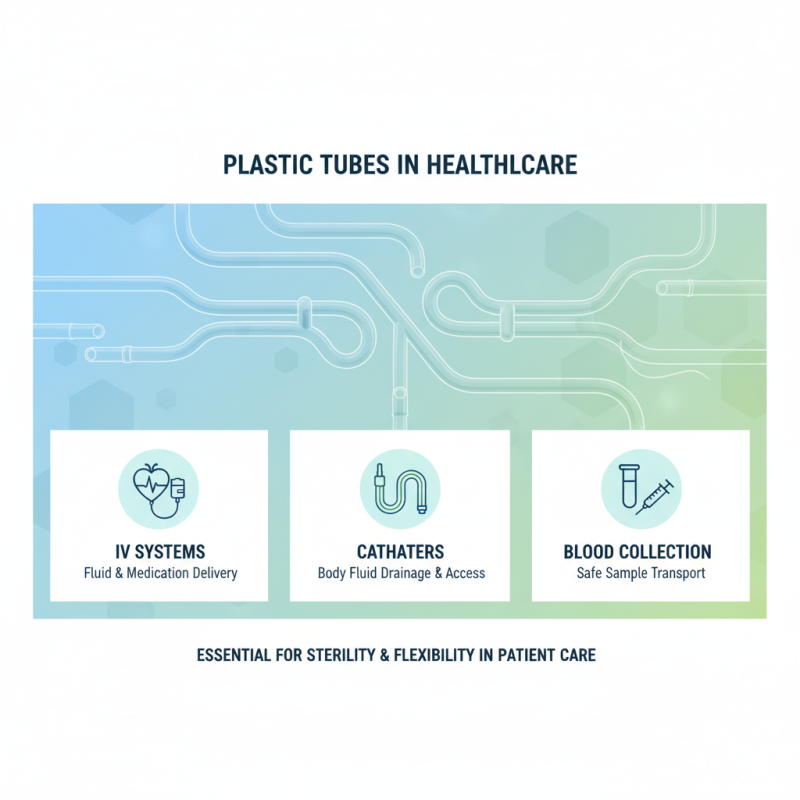
Plastic tubes are versatile components widely used across various industries due to their unique properties, such as lightweight, durability, and resistance to chemicals. In the healthcare sector, plastic tubes serve crucial purposes, including the transportation of liquids and gases in medical devices. They are utilized in IV systems, catheters, and blood collection tubes, ensuring safe and sterile conditions critical for patient care. Additionally, their flexibility allows for easy maneuverability during procedures, making them an essential product in medical facilities.
In the food and beverage industry, plastic tubes play a vital role in packaging and preserving products. They are commonly employed for sauces, condiments, and drink straws, providing a convenient and hygienic way to deliver consumables. Furthermore, the ability to tailor the size and material of plastic tubes to meet specific regulatory requirements and branding needs makes them an attractive option for manufacturers. Beyond this, plastic tubes are also employed in construction for both plumbing and electrical applications, proving their adaptability and necessity in various contexts. The wide range of applications ensures that plastic tubes will continue to be a significant element across multiple industries in 2025 and beyond.
Environmental Impact and Sustainability of Plastic Tubes in 2025
As we look ahead to 2025, the environmental impact and sustainability of plastic tubes remain critical considerations for manufacturers and consumers alike. While plastic tubes have predominated in various industries due to their durability and versatility, increasing awareness of environmental issues has prompted a shift towards more sustainable materials and practices. This includes the development of biodegradable plastics and recyclability enhancements that minimize waste and facilitate responsible disposal.
To ensure that plastic tubes align with sustainable practices, here are some useful tips:
- Firstly
:
always opt for products made from recycled materials when available; this not only supports the circular economy but also reduces the demand for virgin plastic.
- Secondly
:
consider collaborating with suppliers who prioritize sustainability in their manufacturing processes. This can further reduce the carbon footprint associated with production.
- Lastly
:
educate consumers on proper disposal techniques, such as recycling programs that can effectively process plastic tubes, thereby reducing landfill contributions and promoting reuse.
As the industry evolves, embracing innovative approaches to packaging and product design will be vital. Efforts to reduce non-biodegradable plastics and improve recycling rates can significantly minimize the environmental impact of plastic tubes, paving the way for a more sustainable future. By 2025, these strategies could enhance not only the ecological footprint of plastic tubes but also their acceptance among environmentally-conscious consumers.
Innovative Trends and Technologies in Plastic Tube Manufacturing
The landscape of plastic tube manufacturing is evolving rapidly, driven by innovative trends and advancing technologies that seek to enhance efficiency and sustainability. According to recent data from the Plastics Industry Association, the global plastic tubes market is projected to reach USD 7 billion by 2025, highlighting the demand for versatile applications across sectors, from cosmetics to pharmaceuticals. Enhanced production techniques, such as blow molding and extrusion, are allowing manufacturers to create more robust and customizable products, catering to the specific requirements of different industries.
One notable trend is the increased focus on sustainable materials and practices. Biodegradable plastics and recycled materials are gaining traction, driven by consumer demand for environmentally friendly packaging options. In fact, a recent report by MarketsandMarkets indicates that the sustainable packaging market is expected to grow at a CAGR of over 7% from 2020 to 2025, influencing plastic tube suppliers to adopt greener technologies and processes. Innovations such as the integration of smart technology into packaging solutions are revolutionizing the industry by providing valuable data on product usage and enhancing the consumer experience.
Tip: Manufacturers looking to stay ahead in the plastic tube market should invest in research and development focused on sustainable materials, as this trend is not just a passing phase but a fundamental shift in consumer preferences. Exploring collaboration with startups in eco-friendly solutions can also offer fresh perspectives and techniques for production. Another key consideration is the automation of manufacturing processes to improve precision and reduce production costs, which can lead to enhanced competitive advantage in a rapidly evolving market.
Top Uses and Benefits of Plastic Tubes You Need to Know in 2025
| Application |
Benefits |
Innovative Trends |
Technologies Used |
| Medical Tubing |
Safety, Sterility, Flexibility |
Biocompatible Materials |
Extrusion Technology |
| Food Packaging |
Durability, Lightweight, Cost-Effective |
Sustainable Plastics |
Injection Molding |
| Cosmetics & Personal Care |
Aesthetic Appeal, Customization |
Smart Packaging |
3D Printing |
| Construction |
Water Resistance, Light Weight |
Recyclable Materials |
Thermoforming |
| Automotive Components |
Weight Reduction, Corrosion Resistance |
Advanced Polymer Blends |
Blow Molding |
Future Prospects and Market Growth of Plastic Tube Usage
The plastic tube market is poised for significant growth in the coming years, driven by advancements in technology and increasing demand across various sectors. Recent market analyses predict that the global plastic tubing market will grow at a
compound annual growth rate (CAGR) of approximately 6.2% from 2023 to 2030. This expansion is largely fueled by the rising applications of plastic tubes in industries such as healthcare, packaging, and construction.
For instance, the healthcare sector alone is projected to account for nearly 30% of the total market share, thanks to the increasing utilization of plastic tubes for medical devices and pharmaceuticals.
Moreover, the versatility and adaptability of plastic materials are opening new avenues for innovative uses in sustainable design. Plastic tubes are being embraced for their lightweight properties and resistance to corrosion, which make
them ideal for both indoor and outdoor applications. Reports indicate that environmental considerations are influencing material choices, with advancements in bioplastics and recyclability significantly impacting the future landscape of the industry.
The shift towards eco-friendly alternatives is anticipated to play a crucial role in market growth, as manufacturers work to meet both regulatory standards and consumer demand for sustainable products.
As the market evolves, the integration of automation and smart technologies in the production processes of plastic tubes is expected to enhance operational efficiency and reduce costs, further propelling market expansion.
The future of plastic tubes looks promising, with innovative solutions and sustainable practices at the forefront, paving the way for broader applications and increased market share across diverse industries.