Top 10 Glass Container Manufacturers You Should Know?
In the dynamic world of packaging, the role of Glass Container Manufacturers is pivotal. According to industry expert Dr. Emily Carter, "The future of sustainable packaging heavily relies on innovations from glass container manufacturers." This statement underscores the growing demand for environmentally friendly solutions.
As consumers increasingly prioritize sustainability, glass containers have become essential. These containers are not just functional; they also enhance product appeal. Leading manufacturers are now refining their processes to focus on sustainability. They aim to create products that are both beautiful and eco-conscious.
However, the industry faces challenges. The competition is fierce, and not all manufacturers have embraced innovation. Some still cling to outdated practices. Identifying the top glass container manufacturers is crucial for understanding who is leading the charge. These companies showcase creativity and a commitment to sustainability, setting the standard for the industry's future.
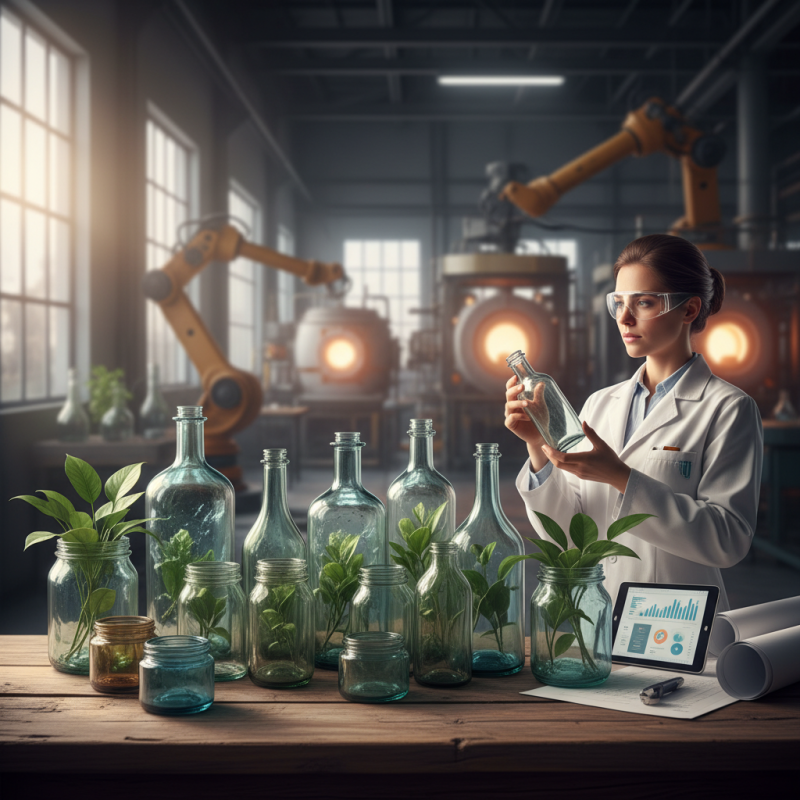
Overview of the Global Glass Container Manufacturing Industry
The global glass container manufacturing industry is witnessing significant growth. In 2022, the market size was valued at approximately $63 billion. Experts predict a compound annual growth rate (CAGR) of 4.5% from 2023 to 2030. This growth is driven by increasing demand in sectors like food and beverage, pharmaceuticals, and cosmetics.
One key trend is the shift towards sustainable packaging solutions. Glass, being recyclable, attracts environmentally-conscious brands. However, challenges remain. The production process can be energy-intensive, leading to a larger carbon footprint. Furthermore, not all regions have access to advanced recycling facilities, which raises concerns over overall sustainability.
Supply chain disruptions also affect the industry. The COVID-19 pandemic revealed vulnerabilities, like reliance on specific regions for raw materials. Companies are now reassessing their strategies to ensure resilience. Despite these challenges, the glass container industry remains poised for growth, driven by innovation and a shift towards eco-friendly practices.
Global Glass Container Production by Region in 2023
Key Factors Driving the Growth of Glass Container Manufacturers
The glass container industry is growing rapidly. Several factors drive this growth. First, consumer preferences are shifting towards sustainable packaging. Glass is 100% recyclable and does not compromise safety. This quality makes it a popular choice among environmentally conscious consumers.
The rise in the food and beverage sector plays a critical role. Many brands are re-evaluating their packaging materials. Glass containers preserve flavor and quality better than plastic. This trend highlights the importance of packaging in consumer experiences.
Tips: Always consider the type of glass container that best suits your needs. Not all glass is equal. Frosted, colored, or clear glass can impact the product inside. Explore different container styles. They can enhance your brand's image remarkably.
Another driving factor is technological advancements. Improvements in glass-making processes reduce costs. Manufacturers can now create lightweight yet durable containers. This innovation opens opportunities for various industries. However, the industry still faces challenges. For instance, not all consumers are aware of glass’s benefits over plastic. Education is key.
Top 10 Glass Container Manufacturers: A Detailed Review
The global glass container industry is evolving. It is projected to grow significantly, reaching around $80 billion by 2026. This growth is driven by the rising demand for sustainable packaging solutions. Glass containers are favored for their recyclability and inert nature. These properties ensure product safety and freshness.
Several key players dominate the market. They focus on innovation and technology to improve production efficiency. The application of eco-friendly practices is a priority. Reports show that companies adopting sustainable methodologies can reduce their carbon footprint by up to 30%. This shift is vital for long-term sustainability in the packaging sector.
However, challenges remain. Many manufacturers face supply chain disruptions. Sourcing raw materials can be difficult, impacting production timelines. Additionally, fluctuations in energy costs affect manufacturing processes. Industry experts emphasize the need for resilience and adaptability. Improvement in these areas will influence competitiveness in an ever-evolving market.
Innovative Technologies in Glass Container Production
Innovative technologies in glass container production are revolutionizing the industry. Manufacturers are increasingly adopting automation and smart technologies. These advancements streamline processes and improve efficiency. According to recent industry reports, automated systems can reduce production time by up to 30%. This reflects the growing importance of speed in market demands.
Sustainability is another focus area. Glass is easily recyclable, and many companies are enhancing their recycling programs. Recent data indicates that recycling rates for glass containers have reached around 50% in many regions. However, the recycling process is not perfect. Challenges remain in collecting and processing used glass efficiently.
Digital technologies are also making waves. Industry experts note a significant shift towards digital monitoring systems. These systems help track quality and reduce waste. Reports suggest that waste can be minimized by up to 20% with proper monitoring. Despite the benefits, there are still hurdles to overcome. Integration of new technologies requires skilled labor and significant investment, raising questions about long-term feasibility. The path forward is one of reflection and continuous improvement.
Sustainability Practices in Glass Container Manufacturing
Sustainability is a crucial aspect of glass container manufacturing. Many manufacturers are now adopting practices that reduce their carbon footprint. For instance, using recycled glass is a common strategy. It can save energy and resources. The process of recycling glass requires less heat compared to making new glass from raw materials. This conserves fossil fuels and decreases greenhouse gas emissions.
Another critical practice is the implementation of energy-efficient technologies. Many facilities are investing in renewable energy sources. Solar and wind power are becoming more common in production settings. Additionally, optimizing production processes leads to less waste. However, there are still challenges to overcome. Some manufacturers struggle with integrating these practices into existing systems.
Waste management practices can also improve sustainability. Many companies are developing programs to reduce waste during the production process. This includes reusing scrap material and minimizing contamination. Yet, achieving zero waste is still a work in progress. The industry must keep exploring new methods to enhance its eco-friendliness. Transparency in these efforts can help build consumer trust.