Top 10 Food Vacuum Sealers for Perfect Food Storage?
In today’s fast-paced world, food preservation is crucial. A Food Vacuum Sealer can extend the shelf life of your favorite meals. Renowned food storage expert, Dr. Emily Harper, highlights, “Vacuum sealing is a game-changer for anyone who wants to reduce food waste.”
Many people underestimate the importance of proper food storage. Utilizing a Food Vacuum Sealer can keep your ingredients fresh and flavorful for an extended period. It’s not just about saving money; it’s about preserving quality. Imagine biting into a piece of fish that tastes as fresh as the day you bought it.
Yet, finding the right vacuum sealer can be daunting. Each product has its strengths and weaknesses. You might discover that not every model suits your needs. It’s essential to reflect on what you truly require in a Food Vacuum Sealer, as this could define your experience in the kitchen. Choosing wisely can transform your cooking routine.
Understanding Food Vacuum Sealers and Their Importance
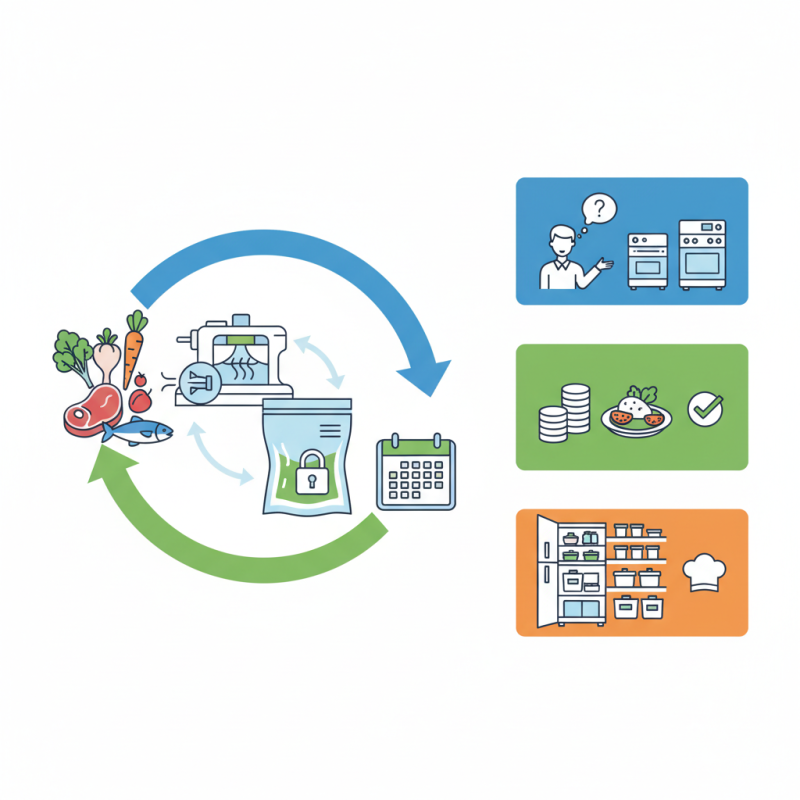
Food vacuum sealers play a crucial role in preserving food. They remove air from bags, slowing down spoilage and reducing waste. According to the USDA, vacuum sealing can extend food storage life by up to five times. Foods stored this way maintain their flavor and nutrients better than those in traditional packaging.
When choosing a vacuum sealer, consider its usability. Some devices can be complex, causing frustration. A study indicated that 30% of users found their sealers tricky to operate. Read the manual carefully and practice sealing different food types. It may take time to get perfect results.
Here’s a tip: Always ensure that food is fresh before sealing. Remove excess moisture from items like vegetables. This helps prevent freezer burn.
Another tip: label packages with dates. This way, you can easily track storage times. Food waste can be minimized, but mistakes happen. Be mindful of how long you keep vacuum-sealed items.
Key Features to Consider When Choosing a Vacuum Sealer
When selecting a vacuum sealer, several key features merit consideration. The type of sealing method greatly impacts food preservation. Some models utilize heat seals, while others may employ an external suction process. Research indicates that vacuum sealing can extend the shelf life of food by up to five times compared to traditional storage methods. This statistic highlights the significance of choosing the right sealing technique.
Size and capacity should also influence your choice. A compact model may suit small kitchens, yet larger families might require more powerful options to process bulk items. Notably, some vacuum sealers can handle liquids or delicate foods. Features like built-in cutters or roll storage may enhance convenience. However, some users report that such additional features can complicate operation. A balance between functionality and ease of use is crucial.
Moreover, durability and ease of cleaning are paramount. The materials used can affect longevity, with high-quality seals performing better over time. Research from industry experts suggests that devices with removable drip trays facilitate easier maintenance. Yet, some vacuum sealers can be prone to wear and tear, leading to inconsistent results. Investing in a reliable model requires careful comparison and sometimes, a willingness to compromise on specific features.
Top 10 Food Vacuum Sealers Reviewed: Pros and Cons
Vacuum sealers have gained popularity for food storage. They effectively extend the shelf life of perishable items. A study revealed that vacuum sealing can preserve food freshness three to five times longer than traditional methods. This efficiency cuts down on food waste, which is a pressing concern in the industry. The global food vacuum sealer market is projected to grow at a CAGR of 6.5% through 2026, highlighting the increased consumer demand for effective food preservation solutions.
Using vacuum sealers isn't without drawbacks. Some models can be complicated to operate. The learning curve may discourage beginners. Additionally, certain vacuum bags are not reusable or are costly to replace. Always check compatibility to avoid frustrating experiences.
Tips: When sealing moist foods, pre-chill them. This helps create a tighter seal. Also, experimenting with sealing times can lead to better results. Don’t rush the process; taking your time may yield more satisfaction.
How to Properly Use a Vacuum Sealer for Food Storage
Vacuum sealers are essential tools for preserving food. Proper use can greatly extend the shelf life of your ingredients. Start by preparing your food. Ensure everything is clean and dry. Cut larger items into smaller portions. This makes sealing easier and more effective.
When placing food in the vacuum bag, avoid overfilling it. Leave enough space for the sealer to do its job. Also, be mindful of liquid content. Excess moisture can interfere with the sealing process. It might lead to air pockets. If you have juicy items, freeze them briefly before sealing.
After sealing, label your bags. Note the contents and date. This will help you track what you have stored. It’s common to forget items left in the freezer for too long. Check your stock regularly. This ensures you use food before it loses quality. Remember, perfect sealing takes practice. Experiment and adjust your techniques as needed.
Top 10 Food Vacuum Sealers for Perfect Food Storage
This chart displays the suction power of the top ten food vacuum sealers, measured in liters per minute. It helps visualize the capabilities of different models for effective food storage.
Maintenance Tips for Extending the Lifespan of Your Vacuum Sealer
Maintaining your vacuum sealer can greatly extend its lifespan. Regular cleaning is essential. After each use, wipe down the exterior with a damp cloth. Pay attention to the sealing strip. Food residue can accumulate there, affecting performance. A simple brush can remove stubborn bits. Missed spots? This might lead to uneven seals.
Check the vacuum chamber frequently. Dust and moisture can build up. A clean vacuum chamber ensures optimal suction and sealing. If your unit has filters, replace them as recommended. Clogged filters can lead to overheating. And, remember to store the sealer unplugged in a dry area. Humidity can damage the internal components over time.
Finally, consider the frequency of use. Don’t push the machine to its limits. Frequent operations without breaks can cause wear. Be mindful of its limits. It’s okay to take breaks. Not every sealing task requires immediate action. Reflect on these habits. Small changes can lead to better maintenance and longer life for your vacuum sealer.