Why is Rolling Packaging Film Essential for Modern Packaging?
Rolling Packaging Film has become increasingly vital in the modern packaging landscape. It offers both protection and aesthetic appeal to various products. With its versatility, it caters to diverse industries, from food to electronics. The film can be tailored to different sizes and shapes, ensuring an ideal fit for unique products.
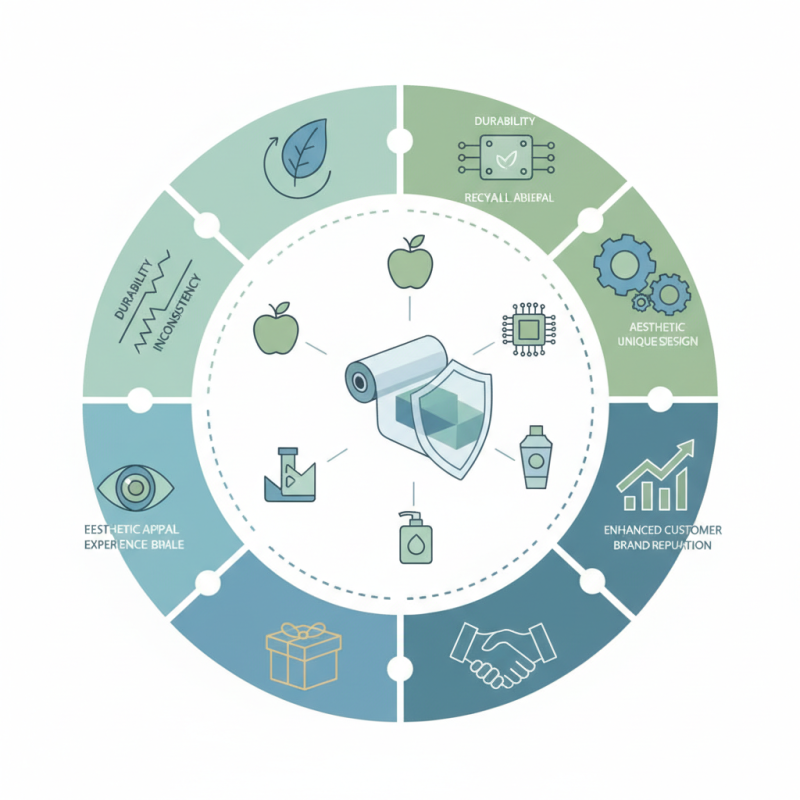
In a world where sustainability matters, Rolling Packaging Film can also integrate recyclable materials. However, the effectiveness of such films often varies depending on the manufacturer. While some films promise high durability, others may disappoint. This inconsistency is a challenge brands must navigate.
Moreover, the demand for eye-catching packaging grows. Businesses must balance functionality with visual interest. Many companies invest heavily in unique packaging designs but overlook the importance of quality materials like Rolling Packaging Film. The perfect balance can enhance customer experience and brand reputation, but achieving it is not easy and requires reflection on choices made.
The Evolution of Packaging Solutions in the Modern Industry
The evolution of packaging solutions has been swift and transformative. From simple paper wrappers to complex multi-layer films, the landscape has changed. Today's consumers expect more than just functional packaging. They seek sustainability, convenience, and aesthetic appeal. This shift has pushed manufacturers to embrace innovative solutions.
Rolling packaging film plays a pivotal role in this evolution. It offers flexibility in design and material. Companies can use varied textures and finishes to stand out on the shelf. However, there are challenges. The balance between cost and quality can be difficult to achieve. Many companies also struggle with the recycling process. Not all consumers understand how to dispose of packaging correctly. This can lead to waste and environmental issues.
Moreover, the technology behind rolling films continues to evolve. New methods promise enhanced barrier properties and better preservation of products. Yet, some films may not break down easily in nature. This raises questions about long-term sustainability. While impressive, some innovations may contribute to the very problems they aim to solve. It's essential for the industry to keep reflecting on these impacts, ensuring that progress does not come at the cost of our planet.
Understanding the Functionality of Rolling Packaging Film
Rolling packaging film plays a vital role in modern packaging solutions. Its functionality goes beyond simple containment. This film offers a barrier against moisture, oxygen, and light, preserving product integrity. According to a market report by Grand View Research, the global packaging film market is expected to reach $413.4 billion by 2028. This growth is driven by increasing demand for flexible packaging in various sectors.
Tips: Always choose the right thickness for your packaging film. Thicker films may provide better protection but can increase costs. Balancing cost and functionality is essential.
Moreover, rolling packaging film is highly versatile. It can be used for food, pharmaceuticals, and consumer goods. Its adaptability facilitates various printing techniques and enhances product visibility on shelves. However, the recycling of these materials remains a challenge. Many users overlook the importance of sustainable practices.
Tips: Consider using biodegradable options. They may have higher upfront costs but offer long-term environmental benefits. Reflect on the sustainability of your packaging choices.
Why is Rolling Packaging Film Essential for Modern Packaging? - Understanding the Functionality of Rolling Packaging Film
| Feature | Description | Benefits |
| Material Type | Polyethylene, Polypropylene, Laminates | Durable and versatile materials suited for various products. |
| Thickness | Varies from 30 to 100 microns | Optimal protection against damage while ensuring flexibility. |
| Usage | Food, Electronics, Pharmaceuticals | Protects products from moisture, contamination, and physical damage. |
| Sustainability | Recyclable options available | Reduces environmental impact with eco-friendly materials. |
| Sealing Method | Heat sealing, Cold sealing | Ensures secure packaging and prolongs shelf life. |
| Customization | Custom prints, sizes, and designs available | Brands can enhance visibility and attract customers. |
Key Benefits of Using Rolling Packaging Film in Manufacturing
Rolling packaging film has revolutionized the manufacturing sector. It offers a flexible solution to packaging needs. According to a report from Smithers Pira, the global flexible packaging market is anticipated to reach $248 billion by 2025. This growth highlights the vital role of rolling packaging film in modern production.
One key benefit of rolling film is its adaptability. Manufacturers can easily customize sizes and designs. This flexibility minimizes waste. Reports show that flexible packaging can reduce material usage by up to 30% compared to rigid alternatives. However, not all films are created equally. Some may not provide adequate barrier properties. This can lead to spoilage or product degradation.
Efficiency in production is another advantage. Rolling packaging films streamline the filling process. They allow for high-speed machinery to operate effectively. Yet, this can also present challenges. Waste management becomes crucial. Inefficient recycling processes can negate the environmental benefits. Many companies struggle with this aspect. The need for improvement in recycling infrastructure remains a significant concern.
Comparative Analysis: Rolling Packaging Film vs. Traditional Methods
Rolling packaging film has become a staple in modern packaging strategies. It offers several advantages over traditional packaging methods. For instance, rolling film provides superior flexibility. Products can be wrapped tightly, ensuring they stay fresh. It also reduces waste, as the film can be cut to the exact size needed. This minimizes excess material, which is often a problem with pre-cut packaging.
Another significant point of comparison lies in efficiency. Rolling films can be used on high-speed machinery. This speeds up the packing process. Traditional methods, like rigid boxes or cartons, can slow down production lines due to their complexity. Moreover, rolling films adapt easily to various shapes and sizes. This versatility is often lacking in traditional packaging methods.
Despite these benefits, challenges exist. Not all products are compatible with rolling film. Certain fragile items may require more robust packaging solutions. Additionally, businesses must consider the sustainability of their materials. Is the rolling film easily recyclable? These questions can guide better choices in packaging. Each option has its strengths and drawbacks.
Sustainability and Environmental Impact of Rolling Packaging Film
Rolling packaging film plays a crucial role in modern packaging solutions. Its lightweight nature reduces transportation costs. This is great for the environment. However, the materials used can sometimes be questioned regarding sustainability.
One major concern is plastic waste. While some films are recyclable, not all end up in recycling streams. Many end up in landfills. This creates a significant environmental impact. Consumers often feel frustrated when they want eco-friendly options but find limited choices.
Tips: Choose products with biodegradable or compostable packaging. Look for packaging that showcases recycling information clearly. Engage with brands that prioritize sustainability in their packaging strategies.
Rolling films can be made from renewable resources. Innovations are emerging to create greener options. Yet, the industry still faces challenges. Not all companies are willing to invest in sustainable practices. This inconsistency can confuse consumers seeking responsible purchases.