How to Choose the Right Magnetic Separator for Your Needs?
Choosing the right Magnetic Separator involves careful consideration. Many industries rely on effective separation to enhance product quality. A magnetic separator is essential in removing ferrous contaminants. This ensures efficiency and safety in production processes.
Different types of magnetic separators exist. Each type serves a unique purpose. Understanding your application is critical. You need to assess factors like material size, volume, and contamination levels. Not all separators will suit your needs. Some may prove inadequate in specific situations. This can lead to unexpected downtime and losses.
Consulting with experts can provide valuable insights. Their experience helps in selecting the best option. While magnetic separators are widely used, not every model is equally effective. Balancing cost and performance is key. Invest time in research to avoid costly mistakes. The right magnetic separator can enhance your operations significantly.
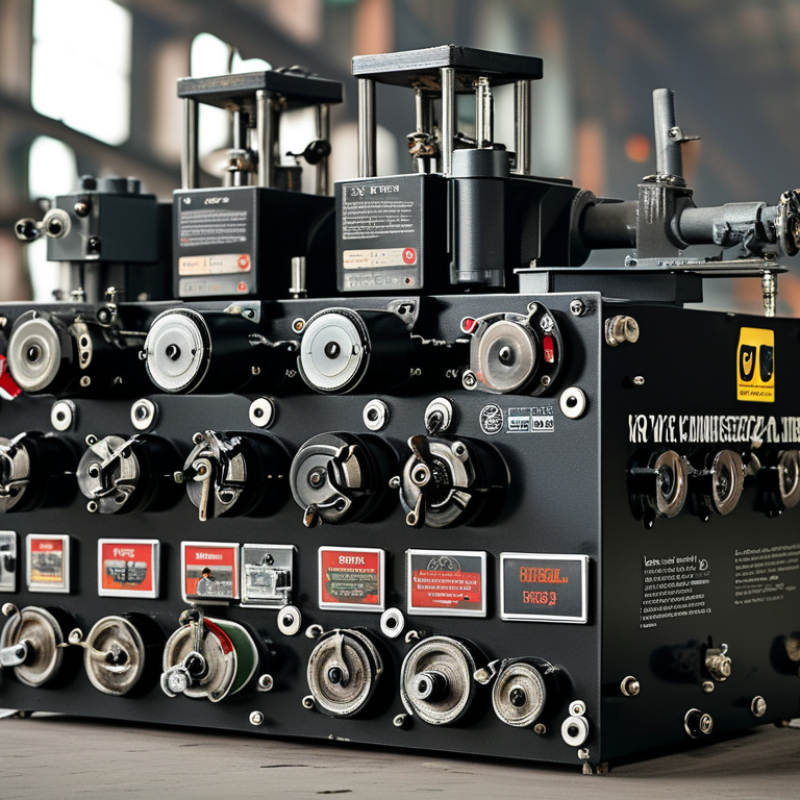
Understanding Magnetic Separator Types: Overview and Applications
When choosing a magnetic separator, understanding the types available is crucial. There are several common types, each with specific applications. For instance, drum separators are commonly used in large-scale operations. They are effective at removing ferrous materials from bulk products. Belt separators, on the other hand, are ideal for continuous processes. They provide a reliable way to separate magnetic contaminants from dry materials.
Another type is the plate magnet. This device is usually installed above chutes or conveyors. It helps capture ferrous particles, ensuring product cleanliness. These devices are straightforward but can be subject to limitations in certain applications. For example, they may not catch fine particles effectively. This aspect needs consideration in design.
Lastly, consider the purpose behind the separation. Are you aiming for product purity or recycling efficiency? Each type of magnetic separator has its strengths and trade-offs. Evaluating your needs can lead to a better decision. Perhaps you want to consult experts to analyze your situation. Their insights can help clarify the best options for your specific requirements. Being well-informed leads to better outcomes in any application.
Key Considerations for Selecting the Ideal Magnetic Separator
When selecting the right magnetic separator, various key considerations come into play. Understanding the specific application is crucial. Each industry has different needs, and parameters vary accordingly. For example, the type of materials processed influences the separator type. Dry materials may require different solutions compared to wet materials. Knowing this can help narrow your options effectively.
Another important factor is the strength of the magnetic field. A stronger field may be necessary for ferrous and paramagnetic materials. However, this can lead to increased energy consumption and may require more maintenance. It's vital to balance performance with practicality. The separator's design and size also matter. It should fit within your existing workflow seamlessly. Space constraints could limit installation options. This is often an overlooked detail that can cause future headaches.
Don’t forget about maintenance requirements. An overly complex system can lead to downtime. Simplicity often enhances reliability. Additionally, consider the separator’s separation efficiency and recovery rates. These metrics provide insight into performance. Poor efficiency can result in leftover contaminants, undermining your process. It's essential to assess both current and future needs as well. Flexibility can save costs in the long run.
Magnetic Separator Efficiency for Different Applications
This chart displays the separation efficiency of magnetic separators across different industries. Understanding the specific efficiency ratings can help you choose the right magnetic separator based on your application's needs.
Evaluating Magnetic Strength and Its Impact on Separation Efficiency
When selecting a magnetic separator, evaluating magnetic strength is crucial. The magnetic field's intensity directly impacts its efficiency in separating various materials. Higher magnetic strength generally means better separation. However, this is not always straightforward. Different applications may require different strengths based on material types and sizes.
Consider the nature of the contaminants. Some materials are weakly magnetic, while others are highly magnetic. Knowing this helps you choose the right strength. For example, removing fine particles may need a different approach than extracting larger metallic debris. Additionally, high magnetic strength can sometimes trap unwanted material, complicating removal processes.
Assessing your specific needs is essential. Testing different separators in your operational environment can yield valuable insights. This experimentation informs your decision, ensuring you choose a solution that aligns with your goals. It’s about finding that balance between efficiency and practicality. Reflecting on past choices can provide useful lessons. Over time, you will refine your understanding of what works best for your unique situation.
Industry Standards and Specifications for Magnetic Separator Selection
When selecting a magnetic separator, it's essential to consider industry standards and specifications. Various sectors have unique requirements. For example, the food industry mandates compliance with stringent hygiene standards, often outlined by organizations like the FDA and NSF. These standards ensure contaminants are effectively removed.
Reports indicate that over 40% of industrial processing errors are linked to improper magnetic separation. This highlights the importance of selecting a separator that meets specific operational capacities. Factors such as the type of materials processed and the level of contaminants present are crucial. A separator’s magnetic strength and design can significantly influence efficiency.
Moreover, different industries may focus on varied specifications. For example, mining and aggregate industries require heavy-duty separators. In contrast, electronics recycling often needs fine particle filters. Reflecting on the data, it becomes clear that understanding the specific needs of each application is not just useful; it's critical for operational success. Evaluating existing equipment and identifying gaps can lead to more informed selections.
Cost-Benefit Analysis: Balancing Performance and Budget Requirements
When selecting a magnetic separator, cost and performance must align. A recent industry report shows that choosing the right separator can affect overall operational efficiency by up to 30%. This impact can be significant, especially for companies with tight margins. If a business invests too little, it may face higher long-term costs due to wear and lower productivity.
Many organizations overlook the long-term benefits. A high-quality separator can reduce waste and maintenance costs. However, it often comes with a higher upfront price. Reports indicate that a more effective separation process can lead to a return on investment in as little as six months. Yet, some businesses may still hesitate when faced with immediate budget constraints. Questioning whether the investment is justified is natural.
One must also consider the type of materials being processed. Different separators offer varying efficiencies based on material characteristics. If the separator fails to match specific needs, both money and time are wasted. Every decision should balance technical specifications and financial implications. This reflective approach can illuminate whether a less expensive option may ultimately prove costly in resources and time.