How to Choose the Best Flexible Packaging Film for Your Needs?
Choosing the right Flexible Packaging Film is crucial for packaging success. The right film can enhance product protection and shelf appeal. It can also influence costs and sustainability.
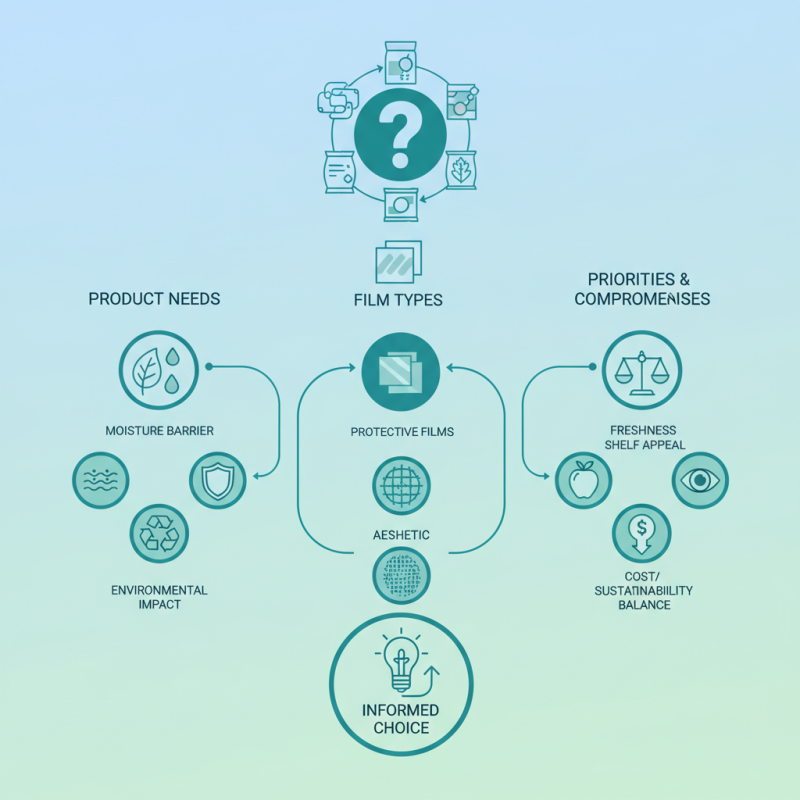
Consider your product's specific requirements when selecting a film. Factors like moisture barrier, durability, and environmental impact matter. Not all films are created equal, and each type serves a different purpose. For example, some films may not provide adequate protection against external elements.
Take the time to weigh your options carefully. Are you prioritizing freshness or aesthetics? Sometimes, the perfect film may not exist. Reflect on your priorities. What compromises are you willing to make? Balancing quality, function, and cost can be challenging. Ultimately, understanding the nuances of Flexible Packaging Film can lead to better choices.
Understanding the Different Types of Flexible Packaging Films
Flexible packaging films come in various types, each suited for specific needs. Understanding these differences helps in making the right choice. Common types include polyethylene, polypropylene, and polyester films. Each film offers unique properties like durability, barrier protection, and resistance to moisture.
When selecting a film, consider the product it will package. For food items, a film with a strong moisture barrier is essential. For electronics, static-free options are crucial. Tips to remember: Always check for compatibility with the product. Test the packaging under real conditions before full production.
Sometimes, the most attractive solution isn’t the best. For instance, thicker films may seem superior in strength. However, they can also add unnecessary weight and cost. Remember to reflect on the overall impact of your choice. Consider sustainability and recyclability. The right film makes a difference not just in performance but also in environmental responsibility.
Key Factors to Consider When Choosing Flexible Packaging Films
Choosing the right flexible packaging film can be challenging. It involves several key factors. Start by considering the material. Different films offer distinct benefits. For instance, polyethylene is durable and moisture-resistant. In contrast, polypropylene has a glossy finish, enhancing shelf appeal.
Next, think about the thickness of the film. Thinner films can be cost-effective, but they may sacrifice strength. On the other hand, thicker films provide better protection but come at a higher price. You should weigh these trade-offs according to your product's requirements.
Lastly, consider the end-use of your packaging. Will it be exposed to extreme temperatures? Is it for food preservation? A film that excels in one area might fall short in another. It’s essential to evaluate your specific needs. This process may seem tedious, but it is an opportunity to refine your choice and enhance your product’s appeal.
Evaluating Barrier Properties for Your Products
Choosing the right flexible packaging film largely depends on its barrier properties. These properties protect products from moisture, oxygen, and other external factors. For instance, if you are packaging food items, maintaining freshness is crucial. A film with excellent barrier properties will ensure that your products remain flavorful and safe for consumption.
Consider the specific needs of your product. Some items, like snacks, require films that prevent oil or fat from seeping through. Others, like pharmaceuticals, need robust defense against light and air. It can be tough to find the perfect balance between flexibility and barrier performance. Testing various films can be time-consuming, but the results are beneficial. You may also discover that some films perform poorly under certain conditions.
Reflect on your product's life cycle. Environmental factors can influence the choice of film. Is it stored in humid conditions? Does it need a longer shelf life? Sometimes, a film that appears ideal in a lab test performs poorly in real-world scenarios. Being aware of these imperfections can guide you in making better decisions. Evaluate your options carefully before making a choice.
Assessing Cost-Effectiveness and Sustainability Options
When assessing cost-effectiveness and sustainability options for flexible packaging films, it's vital to analyze your specific needs. The packaging sector accounts for about 40% of plastic usage globally. This highlights the urgency for sustainable choices. Increasingly, companies are opting for biodegradable and recyclable materials to enhance their eco-credentials. Reports indicate that sustainable packaging market growth is projected at 7.7% annually until 2025. This growth suggests a shifting focus toward environmentally friendly options.
While choosing a flexible packaging film, consider the lifecycle cost. Often, sustainable options appear more expensive upfront. However, they can lead to savings in waste management and disposal over time. A study revealed that using biodegradable materials can potentially cut landfill waste by 30%. But, it’s essential to question if these options are the best for your specific product and market. Not all biodegradable films perform equally under various conditions.
Some businesses report challenges in sourcing high-quality sustainable films. The discrepancy in material quality can impact product integrity. This factor often leaves companies reflecting on their choices. A balance between cost and sustainability is necessary. While eco-friendliness is important, performance should not be compromised. Evaluate your choices carefully to find films that offer both durability and environmental benefits.
The Importance of Compatibility with Packaging Machinery
When choosing flexible packaging film, compatibility with your machinery is crucial. The right film can enhance efficiency and reduce downtime. If the film doesn't work well with your machines, issues can arise. These can include tearing, jamming, or even damaging the equipment. Each machine has specific requirements. Consider factors like heat resistance and thickness.
Not all films are created equal. Some might seem ideal but may not interact well with your machinery. Conduct tests to identify potential problems before mass production. Gather feedback from operators about how the materials perform during operation. Sometimes, the perfect film could lead to unexpected challenges.
Even minor variations in film properties can impact performance. Pay attention to seal strength and clarity, as they influence packaging quality. Analyze your production line demands carefully. This reflection can prevent costly mistakes later. Regularly review film options as technology evolves. An adaptable approach ensures ongoing compatibility.