Why Choose a Calf Drench Gun for Your Livestock Needs?
Selecting the right tools for livestock care is crucial. The Calf Drench Gun stands out as an essential device in this regard. Its design allows precise and efficient delivery of nutritional supplements and medications to young calves. Ensuring their health is vital for any livestock operation.
Using a Calf Drench Gun saves time and reduces waste. With its easy-to-use mechanism, farmers can deliver the right dosage quickly. This not only enhances the well-being of the calves but also boosts overall productivity in the herd. However, one must practice proper handling and technique. Misuse can lead to stress for the animal or ineffective treatment.
Investing in a Calf Drench Gun offers long-term benefits. It provides a reliable method to administer essential care. Livestock farmers who utilize this tool often notice improved growth rates and lower disease incidence. While it's effective, regular maintenance is necessary to ensure optimal performance. The decision to incorporate a Calf Drench Gun should come from careful consideration of its advantages and the specific needs of your livestock.
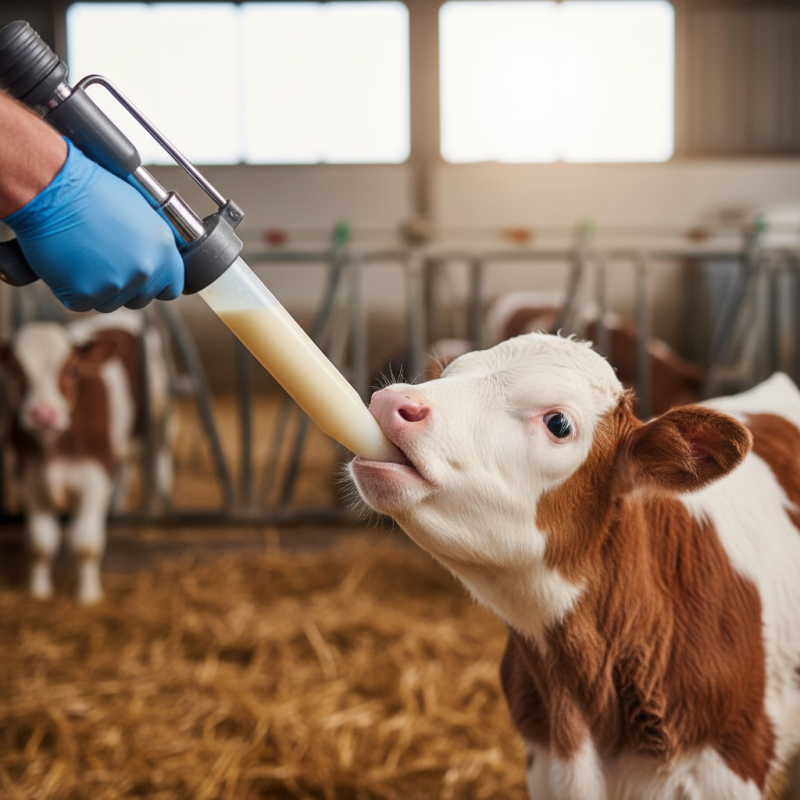
Advantages of Using Calf Drench Guns in Livestock Management
Calf drench guns have become essential tools in livestock management. They provide a precise method for administering fluids and medication to calves, ensuring proper dosage and reducing waste. According to industry research, effective hydration and nutrition can enhance growth rates by over 20% in early calf development. Properly hydrated calves show improved health and better average daily gains, which are critical for a profitable livestock operation.
In addition, using a calf drench gun minimizes stress during treatments. Stress can significantly impact a calf's health and productivity. Studies indicate that lower stress levels can lead to a 15% increase in overall herd performance. Additionally, a well-designed drench gun can improve efficiency on farms. With quick and accurate delivery, farmers can save time and focus on other important tasks.
**Tip:** Always ensure that the drench gun is clean and properly maintained. Regular checks prevent contamination and ensure accurate dosing.
Calf drench guns also allow for versatility. They can be used for various treatments, from vitamins to antibiotics. Livestock managers should track and analyze treatment outcomes. This data can reveal patterns and help fine-tune care protocols for better results. Adaptability in management strategies is crucial for continual improvement in livestock health.
Why Choose a Calf Drench Gun for Your Livestock Needs? - Advantages of Using Calf Drench Guns in Livestock Management
| Advantage | Description | Impact on Livestock | Recommended Use |
| Accuracy | Allows for precise dosage of medicines and nutrients. | Better health outcomes and reduced waste. | Calves in need of nutritional supplements. |
| Ease of Use | Designed for quick and efficient administration. | Less stress for both operator and livestock. | Daily feeding routines and treatments. |
| Durability | Made from robust materials that stand up to regular use. | Long-term cost savings due to less frequent replacement. | Frequent dosing schedules. |
| Versatility | Can be used for various liquids including medicines, vitamins, and minerals. | Flexible management of different livestock health needs. | Multiple livestock operations. |
| Reduction of Waste | Minimizes spillage compared to manual dosing methods. | Cost-effective in the long run. | Feeding programs where every drop counts. |
Industry Statistics on Calf Health and Nutritional Needs
When managing livestock, understanding calf health is crucial. Recent statistics show that a significant percentage of calves suffer from nutritional deficiencies in their early weeks. Poor nutrition can lead to stunted growth and increased mortality rates. In fact, studies indicate that nearly 20% of calves may experience health issues due to inadequate feeding practices. Addressing this need effectively is essential for any livestock operation.
A calf drench gun can play a vital role in delivering necessary nutrients directly to calves. This tool allows for precise administration of vitamins and minerals. It can help combat common deficiencies that affect many young calves. Data suggests that using a drench gun improves overall calf health and increases their resistance to diseases. Efficient hydration and nutrient delivery can significantly impact their growth rates.
Despite the advantages, not all farms utilize calf drench guns effectively. Some operators may still hesitate due to lack of training or experience. There’s also the challenge of ensuring that every calf receives the right amount. It’s essential to reflect on best practices while using such tools. Finding ways to improve administration techniques can lead to better outcomes in calf health. Balancing efficiency and effectiveness remains a common concern.
Comparison of Drenching Techniques: Manual vs. Gun Application
When it comes to administering medication to livestock, the method chosen can significantly impact health outcomes. Manual drenching, which involves pouring liquid supplements directly into the animal's mouth, can be effective. Data from the Journal of Animal Science indicates an average success rate of 75% in delivering the full dose. Yet, this technique can be time-consuming and may result in stress for both the livestock and the handler.
In contrast, using a calf drench gun offers a more efficient solution. Research shows that drench guns can achieve an over 90% accuracy in dosage delivery. This is crucial for ensuring that animals receive the correct amount of medication or nutrients, contributing to better overall health. Additionally, the precision of a drench gun minimizes spillage and contamination, which can occur in manual applications.
However, there are considerations to keep in mind. Operators need proper training to avoid injury to the animals. Over-reliance on technology can lead to a skills gap among handlers regarding traditional methods. Balancing both techniques may provide a well-rounded approach to livestock management, maximizing animal welfare while ensuring efficiency.
Guidelines for Proper Use of Calf Drench Guns to Maximize Efficacy
Proper use of calf drench guns can significantly enhance the health and growth of livestock. Studies indicate that administering nutrients and medications effectively can boost growth rates by up to 20%. Ensuring that the dosing is accurate increases efficacy, reduces waste, and avoids negative side effects. Knowing the right dosage for each calf's weight is critical.
It is essential to maintain hygiene when using drench guns. Disinfecting the equipment after each use helps prevent infections. Research highlights that contaminated equipment can lead to gastrointestinal issues in calves, affecting overall health and development. Training for handlers is vital. Improper technique can cause stress and injury to the calf. A calm environment can help alleviate the animal’s fear during administration.
Monitoring the calf for adverse reactions post-administration is also important. Early detection of issues can lead to more effective interventions. Keeping records of treatments can assist in observing patterns in health and growth. Reflections on these practices can lead to improvements in care strategies. By continuously evaluating methods, livestock management can reach higher standards and improve productivity.
Calf Drench Gun Efficacy Comparison
Potential Risks and Challenges in Drenching Livestock with Guns
When using a calf drench gun, potential risks should be carefully considered. One key challenge is the risk of over-drenching. Administering too much liquid can lead to aspiration pneumonia, a serious condition that can endanger the animal's life. Monitoring dosage accurately is crucial in preventing such mishaps.
Another concern involves improper technique during administration. If the drenching gun is not used correctly, it may cause injury to the calf's throat or esophagus. This might lead to pain and suffering, potentially resulting in long-term health issues. The learning curve for effective operation can vary significantly among individuals. Not everyone may achieve the same level of skill and precision.
Additionally, there are hygiene concerns. The drench gun must be cleaned diligently after use to avoid contamination. Poor hygiene practices can introduce bacteria into the livestock's system, risking infection or illness. Regular inspections and proper maintenance of the equipment are necessary to mitigate these risks. These challenges highlight the importance of training and knowledge in ensuring the safe and effective use of drench guns for livestock care.