How to Choose the Best Home Textile Fabric for Your Needs?
Choosing the best home textile fabric for your needs involves careful consideration. The home textile industry is projected to reach $144 billion by 2025, indicating a robust market. Understanding fabric types is crucial for making informed decisions.
Different fabrics serve various purposes. For example, cotton is breathable and easy to maintain. Polyester, on the other hand, is durable but may lack breathability. The choice impacts comfort and aesthetics. Quality drives longevity, and lower-quality fabrics often lead to faster wear and tear.
Many consumers overlook the importance of fabric weight and texture. These factors affect how a textile feels and performs. A fabric that looks appealing might not meet practical needs. Reflecting on your lifestyle and priorities is essential. Think about usage frequency and exposure to wear. This approach can lead to better choices in home textile fabric.
Understanding Your Requirements for Home Textile Fabric
When choosing home textile fabric, understanding your requirements is vital. Consider the function of each textile. Are you looking for curtains, upholstery, or bedding? Each product serves a different purpose and demands specific materials. Recent studies indicate that around 40% of consumers favor durability over style in home textiles. This reflects a trend towards practicality.
Fabric composition matters. Cotton is popular for breathability, while polyester excels in stain resistance. Data shows that 60% of households prioritize easy maintenance when selecting textiles. Textiles can often have conflicting qualities. A fabric may look beautiful but may not withstand daily use. Finding a balance is key.
Texture also plays a role. Softness adds comfort, but some textured fabrics can be tricky to clean. It’s important to weigh these factors. If you have children or pets, opt for more durable materials. Overlooking this could lead to disappointment. Ultimately, understanding your specific needs will guide you in making a thoughtful decision.
Types of Home Textile Fabrics: Pros and Cons
When selecting home textile fabrics, it’s essential to know their pros and cons. Cotton is a popular choice. It’s soft and breathable. However, it can wrinkle easily. You might find yourself ironing frequently. Consider linen, too. It offers a natural look and excellent air circulation. Yet, it tends to be expensive and may shrink after washing.
Polyester is another option. It’s durable and resistant to stains. But it lacks the same softness as natural fibers. Sometimes, it can feel less inviting. Velvet is luxurious, perfect for creating a cozy atmosphere. On the downside, it requires careful cleaning. A spill can lead to a costly mistake. Choosing the right fabric involves weighing these factors carefully. Each fabric has its charm and limitations.
Home Textile Fabric Types: Pros and Cons
Factors to Consider: Durability, Comfort, and Maintenance
Choosing the right home textile fabric involves understanding essential factors like durability, comfort, and maintenance. Fabric durability is crucial for long-lasting use. According to a recent study, textiles like polyester score higher in durability compared to cotton. Polyester resists wear, making it ideal for high-traffic areas. However, some purists argue that natural fibers offer an unmatched feel and breathability.
Comfort is subjective and can vary based on personal preferences. Natural fibers like cotton and linen provide softness, which many find essential. On the other hand, synthetic fabrics often feel cooler but may lack the same warmth. Research shows that 70% of consumers prioritize comfort over aesthetic when selecting home textiles.
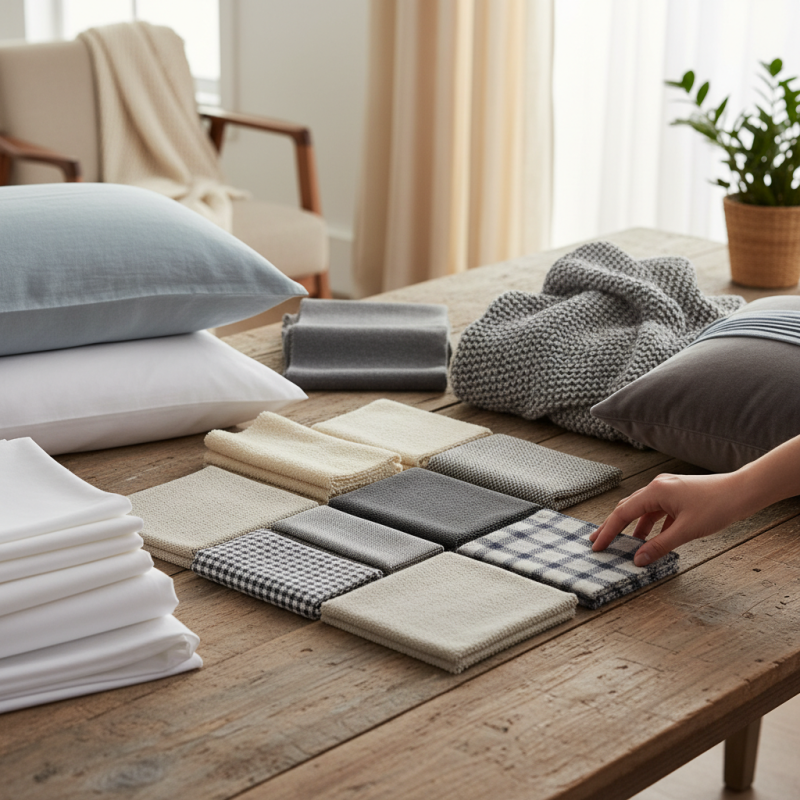
Tip: Always request fabric samples. This allows you to feel the texture. A tactile experience can guide your decision. When considering maintenance, be aware that some fabrics require special care. For example, delicate items may need dry cleaning, while others can withstand machine washing. Check care labels before making a purchase. Remember, a balance between durability and comfort will lead to happier, long-term use.
How to Choose the Best Home Textile Fabric for Your Needs?
| Fabric Type | Durability | Comfort | Maintenance |
| Cotton | Good | Highly Comfortable | Easy to Care |
| Linen | Excellent | Very Comfortable | Moderate Care |
| Polyester | Very Good | Moderately Comfortable | Very Easy to Maintain |
| Silk | Fair | Luxuriously Comfortable | High Maintenance |
| Wool | Good | Warm and Comfortable | Requires Care |
| Bamboo | Good | Soft and Comfortable | Easy to Clean |
Evaluating Fabric Weights and Textures for Different Uses
When choosing home textile fabric, weight and texture play vital roles. Heavier fabrics, like canvas or denim, offer durability. They are perfect for upholstery and outdoor use. Lighter fabrics, such as cotton or linen, are breathable. These materials work well for curtains and bed linens.
Texture can greatly impact the feel of a room. Smooth fabrics like satin add elegance. They are ideal for formal spaces. Conversely, textured materials, like boucle or chenille, provide warmth. These can make a room feel cozier and inviting. The challenge lies in balancing these elements. For example, a heavy texture may overwhelm a small space.
It's important to consider maintenance too. Some fabrics require special care. Others can be machine-washed and dried easily. Test samples before committing to a large purchase. Feel the fabric in your hands. Does it match your expectations? Reflect on how each option aligns with your lifestyle.
Sustainability and Eco-friendliness in Home Textile Fabrics
Choosing home textile fabrics is a thoughtful process. Sustainability is an important factor. Eco-friendly fabrics can dramatically reduce environmental impact. Look for materials made from organic fibers. Cotton, linen, and hemp are great options. They grow without harmful pesticides. These fabrics are biodegradable and renewable.
Recycled materials are another option. They reduce waste and save resources. However, not all recycled fabrics have the same quality. Always check the source. Some may not feel as soft or durable. You may need to compromise on texture for the sake of the planet. It is essential to balance comfort and sustainability.
Consider the manufacturing process too. Dyes and chemicals play a big role in eco-friendliness. Non-toxic dyes are better for your home and the environment. Still, they can be more expensive. Are you willing to pay more for a healthier choice? Reflect on your priorities when selecting fabrics. Every little choice counts towards a sustainable future.