Best Plastic Containers in China for Global Buyers

Choosing plastic containers in China can feel straightforward until specifications meet real production. A sample may look sturdy under showroom lights, yet a thin hinge or loose lid can change the experience after repeated use. For global buyers, the right supplier must deliver consistent quality, clear communication, and practical customization—not just a competitive quote. Small details matter.

This guide examines Containers Plastic options through the questions buyers should ask before placing an order. It considers materials, capacity, closure design, surface finish, production consistency, packaging, and shipping readiness. A useful comparison also checks whether product claims are supported by current documents and test information relevant to the intended use. Requirements can vary by market and application, so buyers should verify details with qualified local advisers rather than rely on a supplier’s general assurances.

No factory is perfect. Buyers can request recent samples, written specifications, and records showing how dimensions or defects are checked during production. Ask how color changes are managed, whether replacement parts are available, and what happens when a shipment differs from the approved sample. A simple written agreement can prevent avoidable confusion. Still, paperwork cannot reveal every production issue, and one sample cannot guarantee every future batch. That limitation deserves attention. The strongest sourcing decision balances price with evidence, responsiveness, and a realistic plan for inspection. This introduction sets the stage for comparing Chinese manufacturers with greater confidence and fewer assumptions.
Best Plastic Containers in China for Global Buyers

Types of Plastic Containers Available from Chinese Manufacturers

Best Plastic Containers in China for Global Buyers

Types of Plastic Containers Available from Chinese Manufacturers

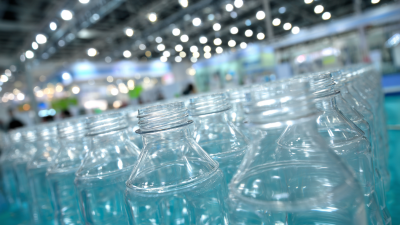
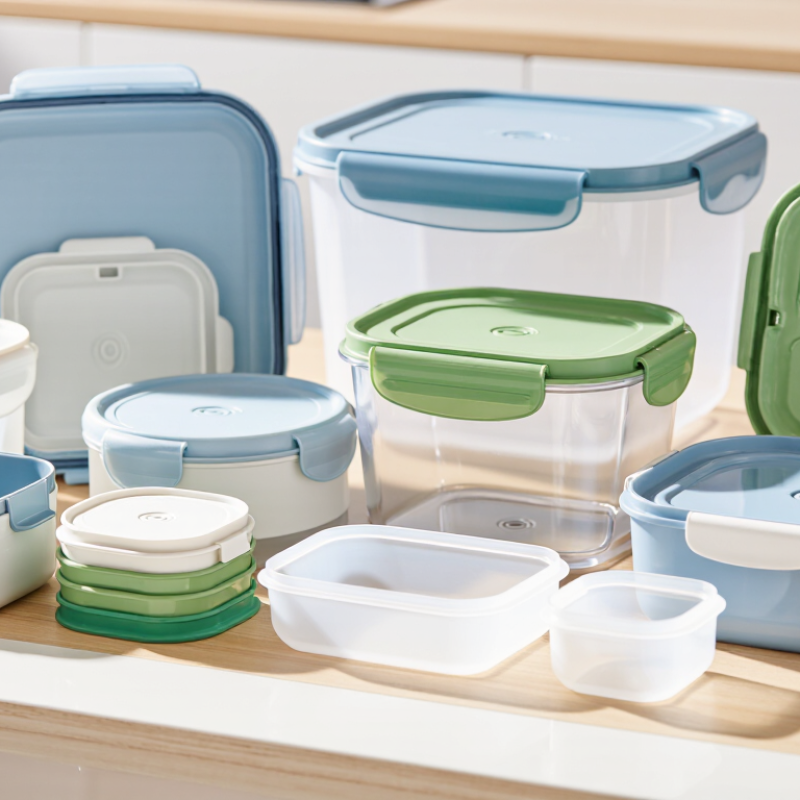
Chinese manufacturers produce containers in several common forms, each suited to different handling needs. PET bottles are lightweight and clear, making liquid levels easy to inspect. HDPE jugs have thicker walls and often use screw caps for secure storage. For dry goods, PP tubs and lidded boxes offer wide openings and stack neatly on warehouse shelves. Small details matter.

Larger options include plastic drums, pails, and reusable crates. Drums can hold substantial volumes, while pails are easier to carry by hand. Crates usually have open sides or ventilation slots, useful for moving produce and other goods. A catalog photo rarely shows how a lid feels after repeated use, so buyers should request samples and check the closure, wall thickness, and dimensions.

Material and intended use should be specified before ordering. For food contact, ask for relevant material documentation and confirm that the exact container configuration meets the destination market’s requirements. Also compare capacity, neck or opening size, stacking stability, and carton packing details. I would still test a filled sample in the actual storage space; measurements alone can miss an awkward fit. That gap matters. Check whether color, resin, or mold changes affect the final sample before approving production.

Materials, Safety Standards, and International Compliance

Material choice affects both performance and compliance. Polypropylene handles warm filling better than many lightweight options, while PET offers clarity for visible products. Neither is automatically suitable for every use. Ask suppliers to identify the resin, additives, colorants, and intended temperature range. A container holding chilled snacks needs different testing from one used with hot liquids. Details matter.

For food-contact packaging, request test reports that match the actual material, product, and use conditions. Migration results from a different color or resin may not apply. Confirm that testing covers relevant contact time and temperature, and use a laboratory accredited for the required methods. Requirements differ by destination, so check the applicable rules before approving production. A general “food safe” statement is not enough.

Review declarations, batch records, and traceability documents, then compare them with production samples. Check lids, seals, and container walls; small defects can cause leaks or contamination. Ask how recycled content is controlled, since its suitability depends on local rules and intended use. Even careful teams miss details. That deserves a second look. Independent inspections can help confirm that the tested sample matches the containers being shipped.

Best Plastic Containers in China for Global Buyers: Materials, Safety Standards & International Compliance

Density is a representative material property, shown in grams per cubic centimeter (g/cm³). Actual values vary by resin grade and formulation. Density alone does not determine food-contact safety or regulatory compliance; buyers should verify the specific product and its applicable certifications.

Values are typical representative densities for common, unfilled resin grades.

How to Assess Manufacturers and Product Quality

Choosing a plastic container supplier in China requires more than comparing quotations. Ask how the factory controls resin selection, molding temperature, and inspection records. Request material specifications, batch traceability, and samples from a current production run. A showroom sample may look excellent; it may not represent routine output. If the order is substantial, consider a factory visit or independent review. Ask how staff identify defects and document corrective actions. Their answers can reveal more than a polished presentation.

Check each sample for consistent wall thickness, clean edges, lid fit, and unusual odor. Stack filled containers and inspect for warping or leakage after handling. Agree on measurable tolerances before production, then compare samples from different cartons. Confirm packaging protects corners during long-distance shipping. Keep records of approved samples and changes to materials or tooling. No test covers every condition, so match checks to the container’s intended use. That part is often overlooked.

Tips: Photograph sample measurements, label each sample, and record the batch details. Test a few units yourself. A checklist helps, but it can miss small defects. Recheck after changes.

Customization, Pricing, and Minimum Order Requirements

For global buyers, customization affects more than appearance; it can change tooling costs, lead times, and minimum order quantities. Specify the container’s capacity, resin, neck finish, wall thickness, color, and decoration before requesting quotations. A 500-milliliter bottle with a custom cap may require different tooling from a standard jar. Small details matter. Ask whether the quoted price includes mold charges, samples, printing plates, and packaging for shipment. These costs are sometimes listed separately.

The OECD’s Global Plastics Outlook (2022) reports that global plastics use reached 460 million tonnes in 2019, while plastic waste totaled 353 million tonnes. Packaging accounted for 40% of that waste. This context makes material choice and right-sized packaging worth discussing with suppliers, not just unit price. Request tiered pricing at several order quantities, and ask how MOQ changes with custom colors or labels. A lower MOQ may carry a higher unit cost; a higher one may tie up cash and storage space. There is no reliable universal MOQ for Chinese suppliers. Compare written quotes, sample quality, and stated production timelines. A perfect custom design is not automatically the best buy.

Export Logistics and Selecting the Right Supplier

Choosing a plastic-container supplier involves more than comparing unit prices. Ask for resin specifications, wall-thickness tolerances, closure-fit details, and samples from the intended production line. A lid that seals well on a sample may fit differently after a large production run. Small checks matter.

Export logistics can change the real cost of an order. Confirm carton dimensions, pallet layout, container loading plans, and the quoted shipping terms before approving production. Request photos of packed goods and a pre-shipment inspection report. For long routes, test cartons for stacking strength; crushed corners can damage containers even when the products themselves are sound. Leave time for destination-market documentation and port handling. Delays happen.

Supplier reliability is best judged through evidence, not polished sales language. Review production capacity, quality records, response times, and how defects are handled. Agree in writing on inspection standards, replacement procedures, payment milestones, and who arranges freight. A detailed checklist helps, but it can still miss a practical issue: one buyer’s “standard” color may not match another’s reference sample. Keep an approved sample and clear measurement records. No process is perfect; a small trial order can reveal problems before a full container ships.

Best Plastic Containers in China for Global Buyers - Export Logistics and Selecting the Right Supplier

Container Type Typical Material Common Applications Practical Advantages Export Logistics Considerations Supplier Selection Checks
Clear bottles and jars PET (polyethylene terephthalate) Beverages, edible oils, personal-care products, and dry goods, subject to product and market requirements. Often selected when product visibility and relatively low package weight are important. Confirm whether the packaging can be nested or efficiently packed; check bottle protection, pallet stability, and the risk of deformation during transit. Request drawings, sample units, neck-finish details, dimensional tolerances, and documentation for the intended end use.
Rigid bottles and jerry cans HDPE (high-density polyethylene) Household cleaners, personal-care products, industrial liquids, and other products compatible with the selected grade. Commonly used for rigid packaging and offers broad chemical resistance, although compatibility must be tested with the actual contents. Check filled-package leakage performance, closure fit, pallet stacking strength, and any dangerous-goods packaging requirements that apply to the contents. Ask for material and closure specifications, compatibility test results where relevant, and evidence of production quality controls.
Food tubs and reusable-style containers PP (polypropylene) Food tubs, caps, household storage products, and selected containers designed for warm-fill or higher-temperature use. Can suit applications requiring more heat resistance than many common polyethylene packages; performance depends on the resin grade and design. Confirm stacking design, lid retention, and temperature limits. Do not assume a container is suitable for microwave or hot-fill use without product-specific testing. Verify intended-use specifications, food-contact documentation for the destination market, and consistency of the container and lid dimensions.
Squeeze bottles and flexible containers LDPE (low-density polyethylene) Squeeze packaging for sauces, personal-care products, and household liquids where a flexible package is appropriate. Flexible construction can make dispensing easier; suitability depends on wall thickness, closure design, and product compatibility. Check whether the empty containers can be nested, how they are protected from crushing, and whether closures are packed separately or fitted before shipment. Request squeeze-and-recovery samples, leak-test criteria, closure specifications, and confirmation of the resin grade.
Wide-mouth storage jars PET, HDPE, or PP, depending on the application Powders, dry foods, supplements, cosmetics, and household products, subject to market regulations and product compatibility. Wide openings can make filling and access easier. The best material depends on clarity, stiffness, chemical compatibility, and the intended use. Measure packed volume as well as product weight: lightweight, bulky packaging may use container space quickly. Review case dimensions and pallet loading plans. Compare samples with the actual product and filling line; verify opening, cap fit, tamper-evident features if required, and dimensional tolerances.
Collapsible or flexible drums and jerry cans Flexible plastics or multilayer constructions, depending on design Selected bulk liquids or materials when the package is specifically engineered and approved for the product and transport route. Some designs can reduce empty-package storage or return-shipping volume. Confirm load limits, stacking rules, closure instructions, handling equipment, and any applicable dangerous-goods or transport approvals before booking freight. Require design specifications, test records relevant to the intended shipment, operating instructions, and a clear statement of approved contents and conditions.
All container types Material and grade must match the product and destination requirements. Use the container only for applications supported by its technical specifications and applicable regulations. A suitable package balances product protection, usability, material choice, and total delivered cost. Agree carton and pallet dimensions, quantity per carton, gross and net weights, loading method, Incoterms, shipment schedule, and required export documents. Import duties and product rules vary by destination. Check factory capability, sample approval, inspection criteria, traceability, written specifications, and the scope and validity of any claimed certifications. Request destination-specific compliance evidence where needed.

Buyer note: Material choice, food-contact compliance, dangerous-goods classification, and transport approvals depend on the exact product, package design, and destination market. Confirm requirements with the relevant authorities, testing bodies, and freight provider before placing an order.