Best Wrapping Paper Options for Global Buyers in 2026?
As we look ahead to 2026, Wrapping Paper options continue to evolve. Expert Rachel Thompson, a leading figure in the wrapping paper industry, emphasizes, “Sustainability will drive the market forward.” This statement highlights the growing demand for eco-friendly materials in gift packaging.
Global buyers now seek wrapping paper that meets both aesthetic and environmental standards. Traditional materials often fall short. The shift toward biodegradable and recyclable options is more than a trend; it’s a necessity. Consumers are becoming more conscientious about their choices.
With vibrant colors and unique designs, new products captivate buyers. Yet, challenges in sourcing sustainable materials persist. Some brands still favor conventional methods, potentially compromising eco-friendly efforts. The dialogue around wrapping paper emphasizes innovation and responsibility in the quest for the perfect wrap.
Top Eco-Friendly Wrapping Paper Choices for Global Consumers in 2026
As global attention shifts towards sustainability, eco-friendly wrapping paper options are gaining traction. Traditional wrapping paper often contains dyes and plastic, which are harmful to the environment. In 2026, consumers can choose from a range of biodegradable and recycled materials that minimize their ecological footprint. Recycled kraft paper is a solid option. This versatile material is sturdy and can be customized with stamps or natural paints. It's both simple and elegant.
Another noteworthy choice is plant-based wrapping paper. Made from materials like sugarcane or hemp, it decomposes naturally. This option provides a unique texture and can enhance the gift presentation while being gentle on the planet. It's fascinating to consider that the average gift wrap disposal contributes to waste. Shifting to eco-conscious choices, therefore, feels more responsible.
Tips for selecting eco-friendly wrapping paper include checking for certifications on materials. Look for papers labeled as recycled or compostable. If you're feeling creative, gather old newspapers or fabric scraps to create personalized wraps. This approach is not only environmentally friendly but also adds a personal touch to your gifts.
Trendy and Unique Wrapping Paper Designs to Explore Worldwide
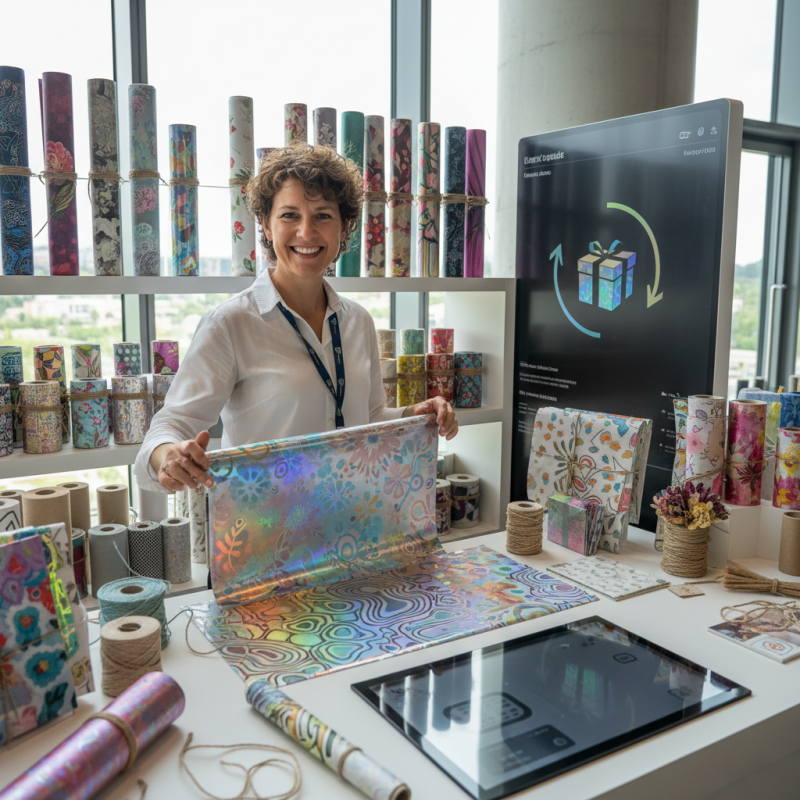
As we approach 2026, the world of wrapping paper is blossoming with creativity. Buyers are seeking unique designs that reflect cultural diversity and personal values. One trend is the rise of sustainable materials. Consumers are increasingly choosing eco-friendly options that reduce environmental impact. Papers made from recycled materials are becoming popular. They come in vibrant colors and innovative patterns.
Another intriguing trend is the exploration of custom prints. Buyers can design wrapping paper that tells a story. This personalization adds a unique touch to any gift. Minimalist designs are also trendy. Simple, elegant patterns resonate with those preferring subtlety.
Cultural motifs from around the world are captivating buyers. African tribal patterns, Asian watercolor styles, and European vintage designs are all finding their way into gift-wrapping. Some consumers may struggle to find the right blend of tradition and modernity. Balancing unique aesthetics with practicality can be challenging. However, these emerging styles open up endless possibilities for self-expression.
Affordable Wrapping Paper Options for Budget-Conscious Buyers
In 2026, budget-conscious buyers will find various affordable wrapping paper options. A recent industry report highlights that nearly 55% of consumers prioritize price over design when purchasing wrapping paper. This trend indicates a shift towards practicality, especially after economic disruptions in recent years.
Eco-friendly materials are gaining traction. Buyers often prefer recycled wrapping paper. This choice aligns with the growing emphasis on sustainability. Interestingly, about 40% of respondents in a recent survey stated they would pay extra for eco-friendly options. However, the availability and cost can be inconsistent in different regions, making accessibility a challenge.
Colorful designs and patterns can still be found at budget-friendly prices. Specialty stores and local markets are increasingly offering unique, low-cost options. Yet, while exploring options, consumers must be cautious. Quality may suffer in cheaper products, leading to tears and less appeal. This is an area where buyers often reflect on their choices. Investing in slightly more durable paper might yield better results in the long term.
The Impact of Cultural Influences on Wrapping Paper Preferences
In 2026, cultural influences will shape wrapping paper preferences across the globe. Various studies indicate that 78% of consumers relate gifting traditions to their cultural background. In many Asian countries, for example, bright colors symbolize good fortune. Contrastingly, minimalist designs are favored in Scandinavian regions, reflecting their lifestyle ethos. This diversity shows how culture dictates choices, even in something as seemingly simple as wrapping paper.
The evolving eco-conscious movement also plays a significant role. Research indicates that 65% of buyers prefer sustainable materials. Countries with stringent environmental regulations prioritize recycled and biodegradable options. This trend impacts design, forcing manufacturers to innovate with materials and aesthetics. Consumers are more likely to choose brands that align with their values.
Tips for buyers: Consider local customs when selecting wrapping paper. Opt for designs and colors that resonate with the recipient's culture. Additionally, think about sustainability. Look for eco-friendly options that maintain your desired aesthetic. Don’t be afraid to mix both tradition and modernity in your choices; the blend can create a more meaningful gift presentation.
Best Wrapping Paper Options for Global Buyers in 2026
Innovative Technologies Transforming Wrapping Paper Production in 2026
The wrapping paper industry is undergoing significant changes in 2026. Innovative technologies are paving the way for more sustainable production methods. For instance, advanced digital printing techniques allow for more customized designs without excessive waste. This means clients can get unique wrapping paper tailored to their needs.
Biodegradable materials are becoming a staple in production processes. These materials reduce environmental impact and may even enhance product appeal. Many consumers now prefer eco-friendly options, reflecting a shift towards sustainability. However, the transition isn’t without challenges. Finding reliable sources for these materials can be difficult, and not all companies have adapted yet.
Automation has also changed production speeds. Factories can now operate more efficiently, yet this leads to quality concerns. Rushing production might result in lower quality wraps. Companies must balance efficiency with craftsmanship to meet rising consumer demands. As the industry evolves, maintaining quality while embracing innovation remains a critical focus.