Best Plastic Bottles for Global Suppliers to Consider?
In the competitive world of packaging, choosing the right "Plastic Bottles" is crucial for suppliers. Industry expert Mark Johnson states, "The right bottle can define a brand." His insights highlight the importance of quality and design in plastic packaging. Buyers must consider various factors, from material sustainability to bottling efficiency.
The market for plastic bottles is evolving rapidly. Suppliers face challenges around compliance with environmental standards. Additionally, consumers are increasingly scrutinizing packaging choices. This shift demands careful consideration from suppliers. Transparency in sourcing and production is essential. Bottles made from recycled materials are gaining popularity, but they often come with trade-offs in durability.
Selecting the best plastic bottles requires a strategic approach. Not every design suits every product. Suppliers must evaluate their specific needs. This process can be daunting yet rewarding. The right choice can enhance product visibility and consumer trust. Ultimately, it is about finding a balance between functionality and style.

Exploring the Benefits of Plastic Bottles in Global Supply Chains
Plastic bottles have become a staple in global supply chains due to their versatility. They are lightweight and durable, which minimizes transportation costs. According to a report by Smithers Pira, the global market for plastic bottles is projected to reach $300 billion by 2025. This growth indicates strong demand and highlights the importance of understanding their benefits.
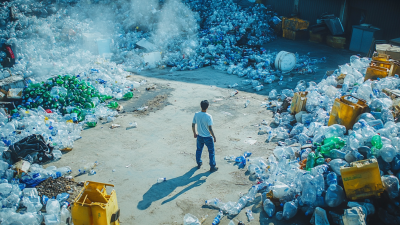
One significant advantage of plastic bottles is their recyclability. Studies suggest that over 30% of plastic bottles are recycled globally, reducing landfill waste. However, challenges remain. Industry experts emphasize that improving recycling processes can enhance sustainability. A lack of infrastructure in some regions complicates efficient recycling efforts.
Moreover, plastic bottles offer excellent product protection. They keep contents safe from contamination. However, not all plastic bottles are created equal. Some may not be suitable for long-term storage. It’s crucial for suppliers to assess the materials used. Transparency in sourcing is also essential for building trust in supply chains. Overall, careful consideration is necessary to maximize the benefits of plastic bottles while addressing their environmental impact.
Key Material Types: PET, HDPE, and Their Market Share Statistics
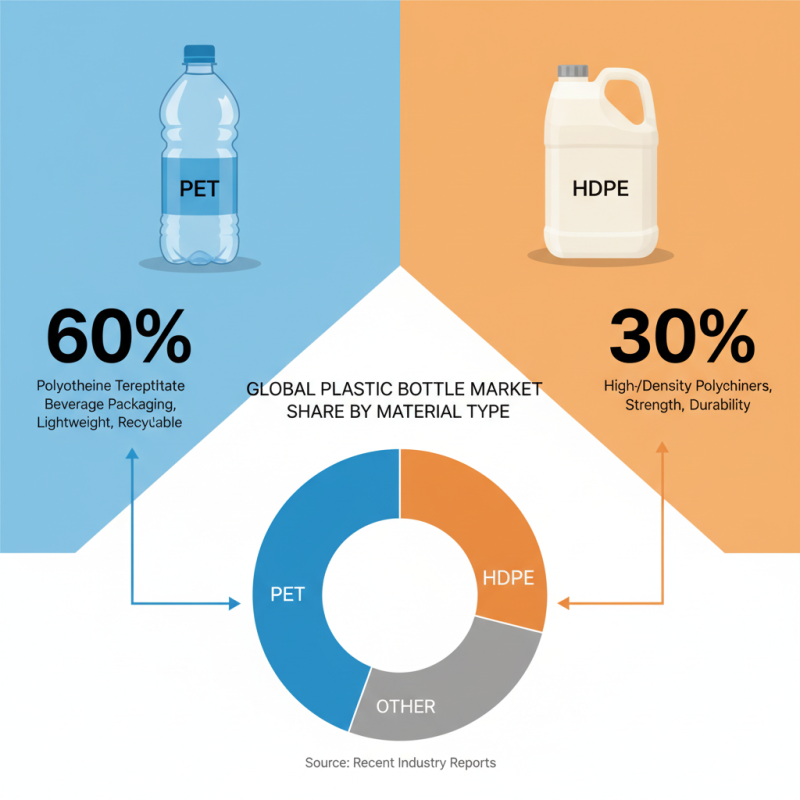
The global plastic bottle market is significantly shaped by two primary materials: PET (Polyethylene Terephthalate) and HDPE (High-Density Polyethylene). Data from recent industry reports indicate that PET holds a dominant market share, accounting for approximately 60% of the total demand. Its lightweight and recyclable nature make it the preferred choice for beverage packaging. However, HDPE follows closely, known for its strength and durability, with a market share nearing 30%.
In recent years, the use of recycled PET (rPET) has surged. The demand for sustainable packaging drives this trend. Industry sources reveal that consumer awareness has led to an increase in rPET usage by over 20% annually. This change emphasizes the need for suppliers to adapt to evolving market preferences.
Tips: Consider partnering with manufacturers who emphasize sustainability. This can enhance brand reputation. Additionally, keep an eye on market trends. Consumer preferences shift rapidly; staying informed is critical. Investing in market research can provide insights into material advancements. Reflect on how these materials can align with your business strategy. Understanding the balance between cost and sustainability is vital.
Sustainability Trends: Biodegradable Options in the Beverage Industry
Sustainability is a major trend in the beverage industry. Consumers are increasingly concerned about plastic waste. Many brands are exploring biodegradable options for their packaging.
Biodegradable bottles break down more easily than traditional plastics. They reduce the environmental impact significantly. Companies are experimenting with materials like plant-based plastics. These options can be both functional and eco-friendly. However, the technology is still evolving. Not all biodegradable options perform well in all conditions. Testing these products in real-world scenarios is essential.
Tips:
Choosing the right biodegradable bottle involves researching materials and suppliers. Ensure they meet local regulations. Collaborate with packaging experts to find durable solutions. Always consider the lifecycle of the product. There might be trade-offs regarding shelf life and cost. Stay updated on industry innovations. This will help you make informed choices.
Cost Analysis: Comparing Plastic Bottle Production Costs Globally
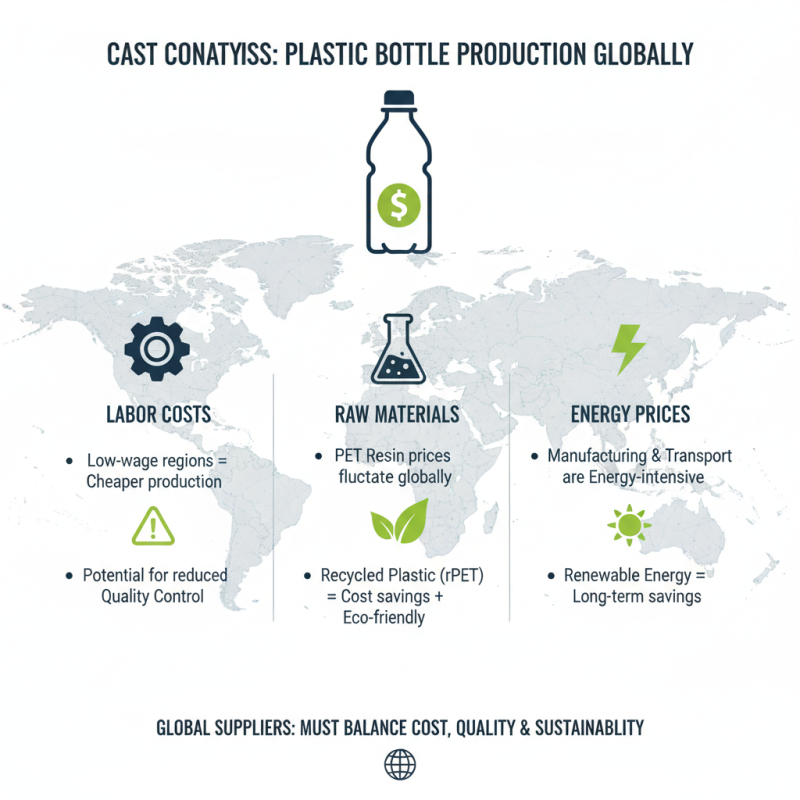
When considering plastic bottle production costs globally, factors vary widely. Labor costs, raw materials, and energy prices can significantly influence overall expenses. For example, regions with lower labor costs may produce bottles more cheaply, yet quality control can suffer. Understanding these nuances is crucial for global suppliers.
In major manufacturing hubs, the cost of resin fluctuates due to market trends. Sometimes, suppliers overlook the environmental impact of sourcing materials. This oversight can lead to downsides in brand reputation. Additionally, shipping costs add another layer to the equation. Suppliers must evaluate freight charges based on distances and trade routes.
While it’s tempting to focus solely on the lowest prices, it's essential to balance cost with quality. Compromising too much on materials can lead to products that don’t meet regulations or customer expectations. Suppliers must engage in honest conversations about these trade-offs to ensure long-term success in the competitive market.
Global Regulations Impacting Plastic Bottle Manufacturing and Sales
Global regulations on plastic bottles have intensified in recent years. Many countries are implementing strict guidelines to curb environmental impact. These rules influence the production methods and materials used in plastic bottle manufacturing. Suppliers must stay informed about local and international regulations to ensure compliance.
For instance, the European Union's Single-Use Plastics Directive aims to reduce single-use plastic waste. This has led to increasing demand for recyclable and sustainable materials. Manufacturers must adapt by using biodegradable options. However, this transition can pose challenges. Not all alternative materials meet industry standards or consumer expectations.
Furthermore, labeling requirements are evolving. Clear information about recyclability must be communicated to consumers. Misleading labels can lead to trust issues. Suppliers should consider investing in educational initiatives about recycling and responsible use. Adapting to these regulations is essential. It can shape the future of plastic bottle production and sustainability in the global market.
Best Plastic Bottles for Global Suppliers to Consider
This chart illustrates the market share of different types of plastic materials used in bottle manufacturing—key aspects that global suppliers should keep in mind when considering compliance with evolving global regulations affecting production and sales.