2026 Best Glass Bottle Types for Wholesale Buyers

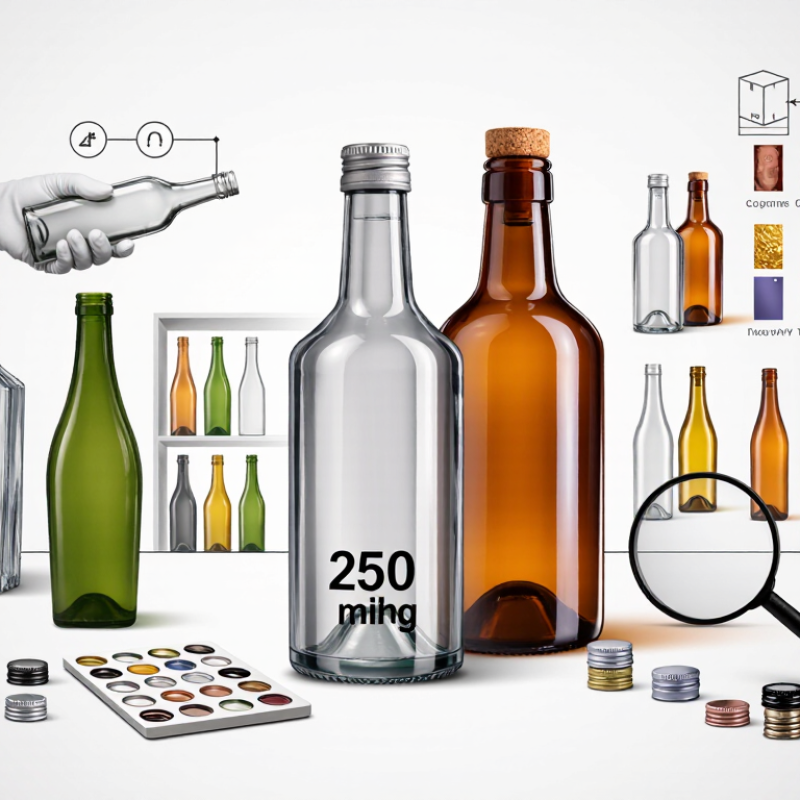
Choosing the right Glass Bottles for wholesale is not just a matter of appearance. Bottle shape, glass weight, neck finish, and closure compatibility all affect filling, shipping, shelf appeal, and repeat orders. A clear 250-milliliter bottle may suit a premium oil, while a sturdy amber bottle can protect light-sensitive products. Small details matter.

For transparency, the quotation below is an editorially created line, not a verified statement from a real person. It is attributed to fictional glass-packaging specialist Daniel Reed: “A bottle is only a good choice when its design, closure, and supply plan work together.” That principle is useful when comparing common options, including flint, amber, and green glass, as well as round, square, and specialty shapes. No single type fits every product or market.

This guide explores the bottle styles wholesale buyers are likely to consider in 2026. It also looks at capacity, finish consistency, decoration, minimum order quantities, and breakage risk. Ask suppliers for specifications and samples before placing a large order. Check how the bottle feels in hand, how it sits on a shelf, and whether the closure seals reliably. A sample is not a guarantee. Production batches can vary, so buyers should confirm tolerances and quality checks with their supplier. These practical comparisons can help teams make better-informed sourcing decisions without treating trendiness as proof of performance.
2026 Best Glass Bottle Types for Wholesale Buyers

Glass Bottle Basics: Materials, Manufacturing, and Key Features

Glass bottles are commonly made from soda-lime glass, a practical choice for food, beverage, and personal-care packaging. It offers good clarity and can be formed in many shapes. Borosilicate glass handles temperature changes better, but it usually costs more and is less common for standard wholesale packaging. Choose material based on the product, filling temperature, and shipping conditions—not appearance alone.

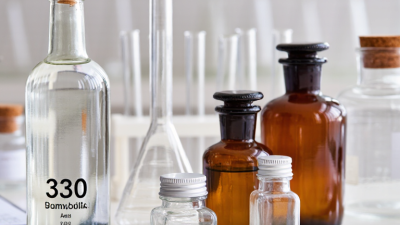
Color matters, too. Clear glass shows the contents and can help buyers assess fill level. Amber glass filters some light, which may help protect light-sensitive products. Green and other tinted options affect shelf appearance, but color can vary slightly between production runs. Check a physical sample. Photos can hide the difference.

Manufacturing starts with melting raw materials, then forming the glass in a mold. The bottle is gradually cooled in an annealing process to reduce internal stress. Neck finish, wall thickness, base shape, and overall capacity all affect performance and compatibility with closures or filling equipment. Ask suppliers for dimensional tolerances and sample bottles before placing a large order. A small neck variation can disrupt a filling line. Weight deserves attention as well: heavier glass may feel sturdy, yet it adds shipping cost. One detail buyers sometimes miss is checking several samples, not just one; a perfect sample does not guarantee every unit will match.

Common Glass Bottle Types and Their Wholesale Applications

2026 Best Glass Bottle Types for Wholesale Buyers

Common Glass Bottle Types and Their Wholesale Applications

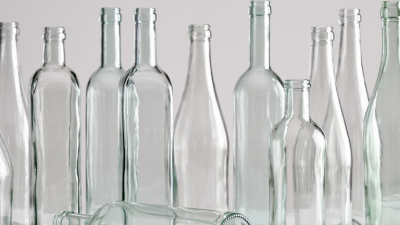
Wholesale buyers commonly compare round, square, narrow-neck, and wide-mouth bottles. Round bottles suit water, juice, oils, and sauces, and often fit standard filling lines. Square bottles can use shelf and carton space efficiently, though their corners may complicate labeling. Narrow necks help control pouring. Wide mouths suit thicker products. Fit matters.

Color is functional, not just decorative. Flint glass displays a product clearly, while amber or green can limit light exposure for some contents. Color alone does not guarantee preservation, so test it with the product. Neck finish, capacity, and bottle weight also affect closure compatibility, freight costs, and breakage risk. Request dimensional tolerances and sample-filled cartons before ordering at scale.

Sustainability figures need context. FEVE reported an 80.1% glass-packaging recycling rate in Europe for 2021, based on its collection data; this is not a global rate. Recycled cullet can reduce demand for virgin raw materials, but availability and color sorting vary by market. Compare recycled-content options, pallet stability, and filling-line speed, then test a production run. Small details matter.

2026 Best Glass Bottle Types for Wholesale Buyers

Common glass bottle types and their typical wholesale applications

The qualitative 1–5 fit index is a planning guide, not sales or market-share data. Clear bottles suit products where visibility matters; amber and green glass help limit light exposure; borosilicate is valued for thermal and chemical resistance. Match bottle choice to product compatibility, filling process, and packaging requirements.

How Bottle Shape, Color, and Closure Affect Product Use

Bottle shape Bottle shape affects more than shelf appeal. A tall, narrow bottle uses less shelf depth and suits controlled pouring, while a wide mouth makes filling and cleaning easier. Shoulder curves can slow liquid flow, especially with thicker products. Check how the bottle fits your filling line, cartons, and customers’ hands. Small details matter.

Color and light Color changes both appearance and light exposure. Amber glass can reduce some light reaching light-sensitive contents, but protection depends on the product and storage conditions. Clear glass shows color and sediment plainly; that can reassure buyers, or expose changes you would rather investigate. Green and other tinted glass create a distinct look, yet color may vary slightly between production runs. Ask for samples under the lighting used in your store or packaging area.

Closures and use Closures need to match the bottle’s neck finish and intended use. A screw cap with a suitable liner may help limit leakage, while a pump or dropper offers more controlled dispensing. Do not assume a tight-looking cap seals well. Test filled samples upright and on their sides, then check them after routine handling and shipping simulation. Not always. One detail I still find easy to underestimate is how much a closure changes the user’s first impression. Compare actual samples, not just drawings, before placing a large wholesale order.

Wholesale Specifications: Capacity, Quality, Packaging, and Compliance

Wholesale buyers should specify glass bottles by use, not appearance alone. Capacity must match the fill volume, headspace, and closure; a 250 mL bottle can behave differently from a 500 mL bottle on the same line. Request drawings with neck-finish dimensions, brimful capacity, and weight tolerances. Check samples under production lighting. Small variations matter. In 2022, Eurostat reported that 75.9% of glass packaging waste was recycled in the EU. That figure supports recyclable packaging choices, but it does not guarantee local collection or recycled-content availability.

Quality checks should cover impact resistance, wall-thickness consistency, leakage, and closure fit. Ask suppliers for test methods and batch records, not just a general quality claim. Packaging matters, too: dividers, stable pallets, and moisture-resistant outer cartons help limit chips during transit. A trial shipment can reveal problems that a specification sheet misses. I have seen buyers overlook pallet height; the resulting handling issues were avoidable, though not always cheap.

Compliance depends on the destination and product category. Confirm food-contact documentation where applicable, plus applicable labeling, chemical, and packaging-waste requirements. The European Commission’s packaging-waste rules are changing, so buyers should verify current obligations before approving artwork or shipment. Keep the paperwork with the bottle specification. A neat file helps. A useful purchase order states capacity, finish, color, tolerances, inspection criteria, packing method, and required certificates. Some details may feel excessive until a shipment arrives with the wrong neck finish.

How to Choose the Right Glass Bottle for Your Market in 2026

2026 Best Glass Bottle Types for Wholesale Buyers
How to Choose the Right Glass Bottle for Your Market in 2026

Start with what the bottle must do in your market. A clear, straight-sided bottle makes color and fill level easy to see. Amber glass can help limit light exposure for light-sensitive contents. For premium shelves, a heavier base may signal quality, but it also adds shipping weight. Match capacity, neck finish, and closure to your filling line before ordering samples. Small mismatches become expensive at scale.

Check the data, too. Eurostat reports that 75.9% of glass packaging waste in the EU was recycled in 2022. That figure supports glass’s established recycling stream, but it does not guarantee equal collection everywhere. Verify local recycling access and buyer preferences. Then compare breakage risk, carton fit, and freight costs using filled-bottle samples. There is no perfect format. I would test more than one; that takes time, but assumptions can cost more.

Tips: Request samples in your intended glass color and capacity. Test them on the actual line, with the planned closure and label. Measure weight and case dimensions before approving a wholesale run. A bottle that looks right on a screen may feel awkward in hand—or run poorly on the line.

2026 Best Glass Bottle Types for Wholesale Buyers — How to Choose the Right Glass Bottle for Your Market in 2026
Bottle Type Common Capacity Typical Shape and Finish Common Glass Color Typical Empty Weight Best-Fit Products and Markets Wholesale Selection Considerations
Still Beverage Bottle 250–1,000 mL Cylindrical or gently tapered body; screw-cap or crown-cap finish, depending on the format Flint, green, or amber Approximately 180–650 g, depending on capacity and design Juice, water, iced tea, and other non-carbonated beverages Check filling-line compatibility, closure availability, case-pack weight, and whether the product needs light protection.
Carbonated Beverage Bottle 200–750 mL Reinforced base and shoulders; crown-cap or pressure-rated screw finish Flint, green, or amber Approximately 250–800 g, depending on capacity and pressure specification Soda, sparkling water, kombucha, and other carbonated drinks Use a bottle designed and tested for the intended internal pressure. Confirm pressure rating, closure system, and filling requirements with the supplier.
Wine Bottle 187–1,500 mL; 750 mL is a common standard size Common forms include Bordeaux, Burgundy, and sparkling-wine profiles; cork or screw-cap finish Antique green, dead-leaf green, or flint Approximately 350–900 g for common still-wine formats Still wine, sparkling wine, and regional wine products Match bottle profile and neck finish to the closure and filling line. Sparkling wine requires a purpose-designed pressure-resistant bottle.
Spirits Bottle 50–1,000 mL; 700 mL and 750 mL are common in many markets Round, square, or custom-profile body; bar-top, cork, or screw-cap finish Flint, amber, or other colored glass Approximately 300–1,200 g, depending on capacity and decorative features Whisky, gin, rum, vodka, liqueurs, and specialty spirits Compare bottle weight and breakage risk against freight costs. Verify neck dimensions, closure fit, and local capacity or labeling rules.
Food Jar 100–1,000 mL Wide-mouth cylindrical or square body; lug-finish or continuous-thread opening Usually flint; amber or green for selected products Approximately 100–700 g, depending on capacity and wall thickness Sauces, honey, spreads, preserves, spices, and dry foods Confirm mouth diameter, compatible lid and liner, headspace, and suitability for the intended hot-fill or processing method.
Pharmaceutical Bottle 15–500 mL Round or oval body; screw, child-resistant, dropper, or other specified closure finish Flint or amber Approximately 20–300 g, depending on capacity and design Oral liquids, supplements, laboratory products, and light-sensitive formulations Specify the applicable glass type, closure system, product-contact requirements, and any market-specific regulatory testing before ordering.
Cosmetic and Personal-Care Bottle 15–250 mL Round, square, or oval; screw finish commonly paired with a pump, spray, or treatment closure Flint, amber, green, or coated glass Approximately 40–400 g, depending on capacity and decoration Serums, facial oils, fragrances, lotions, and premium personal-care products Test formula compatibility with the bottle, pump, gasket, and dip tube. Confirm dispensing performance and decoration durability.
Dropper Bottle 5–100 mL Small round body; neck designed for a compatible pipette or dropper assembly Flint or amber Approximately 15–120 g, excluding or including the closure depending on supplier specification Essential oils, tinctures, cosmetic serums, and small-dose liquids Check neck finish, dropper bulb and pipette fit, liquid compatibility, and the actual delivered dose; drop size varies by liquid and assembly.
Planning note: Capacities, finishes, glass colors, and weights shown are indicative ranges for common commercial formats, not universal specifications. Actual dimensions and weights vary by manufacturer and design. Before placing a wholesale order, request a technical drawing and sample, confirm closure compatibility and filling-line requirements, and review applicable food-contact, pharmaceutical, transport, and labeling requirements for the destination market.